An Overview of the Psychological and Emotional Challenges of Lymphedema in Breast Cancer Patients
Thyroid Surgery ✉
Thyroid SurgeryCorresponding author More articles by this author →Shaoxing People
Shaoxing People More articles by this author →
Published
Abstract
Lymphedema is a chronic and often debilitating condition affecting a significant number of breast cancer survivors. Beyond its physical manifestations, lymphedema has profound psychological and emotional implications, frequently overlooked in standard treatment protocols. This review aims to provide an in-depth understanding of the psychological and emotional challenges associated with lymphedema in breast cancer patients, emphasizing the need for comprehensive care that addresses both physical and mental health concerns. Psychological challenges such as anxiety, depression, and body image dissatisfaction are prevalent among individuals managing lymphedema. These issues often stem from visible physical changes, chronic pain, and the persistent fear of disease progression or recurrence. Emotional distress, including feelings of frustration, helplessness, and social isolation, further exacerbates the mental health burden. The interplay between physical limitations and psychological well-being underscores the importance of a holistic approach to care. The role of support systems, including family, peers, and healthcare professionals, is pivotal in mitigating these challenges. Support groups and counseling services have shown promise in helping patients cope with emotional distress and improve their quality of life. However, disparities in socioeconomic status, cultural norms, and access to mental health resources create significant barriers to adequate psychological support for many patients. This review also highlights current interventions, such as cognitive-behavioral therapy, mindfulness practices, and integrative therapies, which have demonstrated efficacy in addressing lymphedema’s psychological and emotional toll. Despite progress, substantial gaps remain in research and clinical practice, particularly regarding culturally sensitive and patient-centered approaches. In conclusion, addressing the psychological and emotional challenges of lymphedema requires a multidisciplinary effort to enhance the quality of life for breast cancer survivors. Future research should focus on developing targeted interventions and improving accessibility to mental health resources within this patient population.
1 Introduction#
Breast cancer is among the most common malignancies affecting women globally. Recent figures from the Centers for Disease Control and Prevention indicate that breast cancer constitutes 30% of all cases of cancer among females, making it the most prevalent type in the US[1]. In China, the prevalence of breast cancer appears to be escalating swiftly, with annual rates rising. China’s 5-year relative survival rate is 73%[2]. Whereas in 2024, the American Cancer Society predicts that 42,780 Americans will lose their lives to breast cancer and 313,510 will receive a diagnosis[3]. With advancements in technology for medicine, the recovery rate among breast cancer patients has enhanced. Breast cancer treatment often includes axillary lymph node biopsy, surgery, and radiation therapy, which can lead to secondary lymphedema. Remarkably, lymphedema affects 65% of women who have breast cancer surgery[4]. Lymphedema is a persistent disorder marked by the atypical accumulation of lymphatic fluid in tissues, resulting in edema, usually in the arms, chest, or legs. This syndrome frequently arises, especially in patients who have undergone lymph node surgery or radiation therapy. These operations may harm or obstruct the lymphatic system, hindering the normal circulation of lymph fluid[5].
Breast cancer-related lymphedema (BCRL), which can appear days after surgery or last for up to 11 years, is still a significant healthcare concern. Its prevalence can exceed 20%. Research results are conflicting, and there is still no agreement on the definite risk factors for BCRL. Due to the paucity of research supporting several potential risk factors, there is continuous discussion and disagreement over their importance in the development of BCRL[6]. Regional lymph node irradiation (RNI) and axillary lymph node dissection (ALND) are known to cause 30–50% of upper limb lymphedema[7], while sentinel lymph node biopsy (SLNB) causes 5%, regional lymph node radiotherapy (RLNR), high body mass index (BMI ≥ 25 kg/m2) at diagnosis[8], a high number of positive lymph nodes, and tumor capsule invasion are among the established high-risk factors, despite the lack of a reliable way to predict the onset of lymphedema in advance[9]. The relationship between age and BCRL risk is especially controversial; some data indicate that younger survivors are at higher risk, while others show that age is not connected to BCRL or that older age is a significant risk factor[10]. More studies are therefore required to define the risk factors for BCRL and lay the groundwork for clinical management.
Symptoms of lymphedema encompass edema, a sensation of heaviness, limited mobility, elevated susceptibility to infections, and a host of associated physical challenges. But in addition to these physical symptoms, lymphedema has significant psychological and emotional costs that are usually disregarded or undervalued[11]. Breast cancer patients’ psychological issues are directly tied to their physical symptoms. Swelling and deformity may cause humiliation, self-consciousness, and a reduced sense of femininity or body image. Between 13% and 46% of women experience depression, anxiety, and a sense of loss due to physical changes, which can exacerbate social disengagement[12]. Chronic lymphedema and its unpredictable flare-ups can also cause frustration and powerlessness. The difficulties of controlling the condition with compression garments, physical therapy, and other therapies can make patients feel powerless[13]. The emotional toll of lymphedema affects social relationships and support networks beyond personal distress. Many patients feel alone because they think others don’t understand or appreciate their everyday hardships. This can strain relationships with family, friends, and even doctors, who may mistakenly dismiss lymphedema’s emotional impact[14]. Constant attention to treat symptoms can cause persistent stress and exhaustion, increasing emotional issues. A holistic approach to therapy is needed for breast cancer patients with lymphedema because physical and mental health are linked. Emotional and psychological lymphedema management is as essential as physical management[15].
The purpose of this review is to examine the emotional and psychological difficulties that breast cancer patients who have lymphedema encounter. It aims to create a better understanding of how this illness affects mental health and emotional well-being by combining clinical insights with existing research. The research also identifies methods and approaches that can be used to deal with these issues, which will eventually help patients live better lives.
2 Psychological Challenges of Lymphedema#
2.1 Anxiety and Fear#
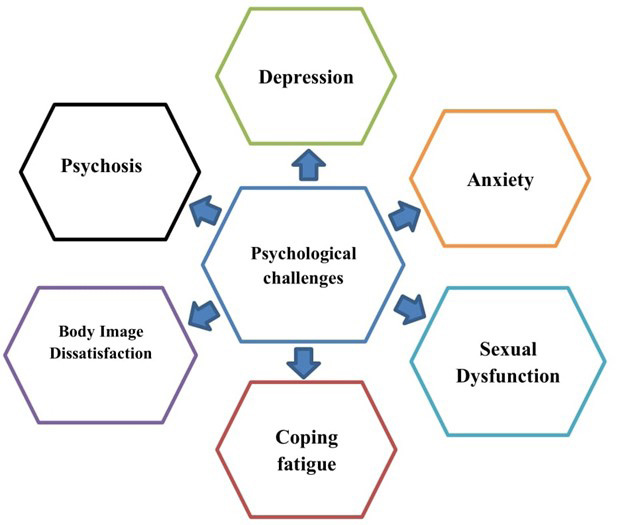
The prevalence of anxiety in breast cancer patients with lymphedema has been well-documented by clinical studies, which also highlight the variety of psychological effects. A significant issue is fear of recurrence (FOR), as Khajoei et al. have shown that up to 60% of patients have ongoing concerns about their cancer coming back[16]. This anxiety frequently coexists with health-related anxiety, in which patients experience hypervigilance about physical symptoms, which makes it difficult to focus on everyday tasks and causes them to check their symptoms frequently[17]. According to Büyük et al., social anxiety is widespread because patients worry about being judged or embarrassed by visible swelling or scars associated with lymphedema. These fears frequently lead to social disengagement and loneliness, which exacerbates mental suffering[18]. The profound emotional impact of physical alterations is highlighted by body image anxiety, which is frequently documented in randomized studies. Many patients avoid intimacy or social situations because they feel self-conscious[19]. Systematic and meta-analyses have also provided ample evidence of anxiety connected to treatment and anxiety brought on by ongoing stress. Fearing discomfort or adverse consequences, patients frequently express increased distress over continuous therapies, which makes them reluctant or causes them to put off seeking medical attention[20].
Longitudinal studies have shown that the ongoing difficulties of living with lymphedema lead to chronic stress-induced anxiety, which develops into emotional exhaustion and burnout[21]. Many patients also struggle with relational anxiety, which is associated with worries about pressure in personal relationships[22], and financial anxiety, which is rooted in concerns about medical costs[23]. Table 1 shows that Generalized Anxiety Disorder and rational anxiety both affect lymphedema patients’ emotional well-being.
2.2 Depression#
The intricacy of depression in breast cancer patients with lymphedema demonstrates varied emotional and psychological effects. Research on Major Depressive Disorder (MDD), including Aboumrad et al., identified a 35% prevalence of enduring depression and functional impairment[24]. An observational study conducted by Kitaw et al. identified situational depression associated with the diagnosis and management of lymphedema, marked by emotional instability and challenges in coping. Additionally, Post-treatment depression in randomized trials (RT) impacted up to 25% of patients endeavoring to reintegrate into regular life following cancer therapy[25]. Chronic depression, as evidenced by Loibnegger-Traußnig et al., showed a significant association with prolonged physical and emotional fatigue. Researchers also emphasized that body image-related melancholy leads to social withdrawal stemming from unhappiness with alterations in appearance, such as swelling or scarring[26]. Mustață et al. highlighted the influence of recurrent anxiety in exacerbating depressive symptoms associated with anxiety-related depression.
Furthermore, depression generated by social isolation ties intensifies emotions of loneliness and abandonment[27]. Depression due to financial burdens, as described by Beck & Lizarraga. was linked to anxiety over treatment expenses and a feeling of powerlessness[28]. Treatment-resistant depression and relationship stress-related sadness, seen in Table 1, increase lymphedema patients’ emotional load and slow recovery.
2.3 Body Image Dissatisfaction#
The diverse challenges of body image dissatisfaction faced by breast cancer patients with lymphedema emphasize their profound impact on emotional and social well-being. As demonstrated in observational studies such as King et al., discontent associated with swelling revealed social avoidance and reduced self-esteem due to noticeable swelling in limbs or the chest[29]. Scarring dissatisfaction, as articulated by McGhee et al. in clinical trials, highlighted psychological distress and reluctance to undress attributable to surgical scars[30]. Research conducted by Brunelle et al. in randomized trials demonstrated that dissatisfaction with breast asymmetry led to significant psychological distress and body image anxiety related to mastectomy or reconstruction outcomes[31]. Dissatisfaction with alterations in skin texture, as detailed in meta-analyses like Khaled et al., revealed frustration and apprehension regarding skin thickness or discoloration. In Addition, the deterioration of arm function, examined in non-randomized studies, underscored emotional frustration and social withdrawal stemming from visual or functional limitations[32]. Systematic reviews by Ostapenko highlighted dissatisfaction with prosthetic use, underscoring reduced self-confidence and discomfort associated with prosthesis[33]. Dissatisfaction with hair loss, frequently observed in research like Kholmatov et al., was linked to decreased self-esteem and social disengagement due to chemotherapy-induced alopecia[34]. Table 1 shows that intimacy-related and garment-fit concerns impair lymphedema patients’ self-esteem and social confidence.
2.4 Psychosis#
Psychotic disorders in breast cancer patients experiencing lymphedema. In clinical trials, Saeki et al. observed that Delirium was frequently induced by cancer therapies, leading to confusion, agitation, and increased emotional distress, hence exacerbating body image issues[35]. Paranoia, as shown in observational studies by Panitz & Bobos, manifested as unreasonable ideas, including fear of medical personnel, which exacerbated emotions of distrust and alienation. Additionally, Hallucinations in non-randomized trials increased anxiety and disorientation, causing erroneous perceptions of self and physical appearance[36]. Mood-induced psychosis, as emphasized by Khanjari et al. in randomized clinical trials, has shown a correlation between significant mood disorders and psychotic symptoms, exacerbating body image dissatisfaction[37]. Schizophrenia-like symptoms, as examined in systematic studies by Yıldırım & Yıldız, shown considerable cognitive instability, exacerbating emotional coping difficulties in individuals with preexisting disturbed body image[38]. Paranoid delusions, as noted by Bellman et al., intensified patients’ suspicion and fear of others, worsening isolation and body image discomfort. Further investigated affective psychosis and found a significant correlation between mood disorders and psychotic symptoms, resulting in increased emotional distress and body dissatisfaction[39]. Table 1 describes various psychosis-related variables, including medication-induced psychosis, psychotic depression, and cognitive impairment with psychotic symptoms, which significantly damage mental health.
2.5 Sexual Dysfunction#
The substantial sexual dysfunction issues associated with body image dissatisfaction in breast cancer patients with lymphedema. Libido reduction, as noted in clinical research by Arian et al., was frequently attributed to mental discomfort and physiological alterations, resulting in less closeness and emotional disengagement from partners[40]. Dyspareunia, as documented by Abakay et al., induced physical pain during intercourse due to inflammation or scarring, leading to relationship distress and the avoidance of sexual activity[41]. Vaginal dryness, as analyzed by Castelo-Branco et al., was a prevalent concern, especially among post-treatment patients, resulting in discomfort during intercourse and diminished sexual satisfaction. Furthermore, Impaired orgasmic function, as documented, frequently resulted from both physical and emotional reasons, causing frustration for patients attempting to attain sexual satisfaction[42]. Moreover, Zheng et al. discovered that a considerable proportion of breast cancer survivors experienced infertility post-treatment, primarily attributed to chemotherapy and radiation. These therapies may result in ovarian failure, particularly in premenopausal women, hence diminishing fertility and complicating conception efforts[43].
Moreover, Vuong and Warner emphasized the heightened risk of premature menopause in breast cancer patients. Chemotherapy notably hastens the start of menopause, resulting in symptoms such as hot flashes, vaginal dryness, and diminished libido[44]. Qiu et al. found that many patients struggled to balance caring for children with the physical and emotional challenges of cancer treatment, limiting intimacy and sexual expression[45]. Table 1 shows how sexual dysfunction-related issues such as relationship strain, performance anxiety, and anorgasmia affect breast cancer patients with lymphedema’s emotional well-being and intimate relationships.
2.6 Coping fatigue#
The complex coping fatigue problems experienced by lymphedema-affected breast cancer patients stress their broad influence on their physical and psychological well-being. As reported in clinical trials such as Soltanipur et al., lymphedema combined with cancer treatments causes physical fatigue, which is a result of the suffering of everyday functioning and the drop in energy levels[46]. Hara et al. report emotional fatigue resulting from the emotional strain of managing lymphedema symptoms and continuous therapy, which often results in anger and withdrawal. Furthermore, cognitive fatigue occurs from memory problems and trouble focusing resulting from the mental burden of managing chronic health conditions[47]. Lin et al. point out that the ongoing stress of managing both cancer and lymphedema has a significant negative impact on stress-induced fatigue, which in turn leads to increased levels of burnout among affected patients[48]. Fu et al. conducted research showing that lymphedema’s constant swelling and pain cause chronic pain fatigue, limiting physical activity and aggravating fatigue levels[49]. In line with this, Bock et al. underline that as lymphedema and cancer therapies sometimes disturb sleep patterns, sleep-related fatigue is a prevalent problem. These disruptions impede nocturnal rest and cause more daytime fatigue[50]. Chen et al. show in non-randomized studies that the psychological strain of long-term sickness and the emotional load of chronic disorders, such as anxiety and depression, are the causes of mental health fatigue. The difficulties of managing chronic diseases are exacerbated by this kind of fatigue, which has a substantial negative influence on general well-being[51]. Table 1 shows several characteristics of coping fatigue, including social tiredness from maintaining connections, adaptive fatigue from life changes, and recovery fatigue from chronic exhaustion despite rest.
Table 1 An overview of additional psychological issues related to lymphedema in breast cancer patients.
| Psychological Challenges | Type of Study | Description | Impact on Patients | Reported Effects | Refs |
|---|---|---|---|---|---|
| Anxiety and Fear | |||||
| Generalized Anxiety Disorder (GAD) | Meta-Analysis | 20-30% Persistent anxiety concerning several facets of life without a discernible cause | Diminished functionality, persistent agitation | Insomnia, irritation, exhaustion | [52] |
| Relational Anxiety | Clinical | Fear of relationship stress or rejection due to the condition | Intimacy avoidance, emotional detachment | Trouble with relationships or avoiding romantic commitments | [53] |
| Depression | |||||
| Treatment-Resistant Depression | Meta-Analysis | Chronic depression despite medical or psychiatric treatment | More significant emotional stress, frustration | Failure to respond to therapy, pessimism | [54] |
| Depression from Relationship Stress | Clinical | Personal connection conflict or rejection causes depression | Emotional disconnection, reduced intimacy | Partner disputes and rejection anxiety | [55] |
| Body Image Dissatisfaction | |||||
| Intimacy-Related Dissatisfaction | Randomized Clinical | Body image problems make physical closeness emotionally difficult | Strained relationships, lower sexual satisfaction | Avoiding physical intimacy with a spouse | [56] |
| Clothing Fit Issues | Clinical | Difficulty fitting clothes due to lymphedema | Stress and heightened self-consciousness | Shopping and fitting clothing avoidance | [57] |
| Psychosis | |||||
| Medication-Induced Psychosis | Observational | Drug-induced psychosis from cancer treatment or steroids | Elevated anxiety, delusions, and hallucinations | Medication-related visual or auditory hallucinations | [58] |
| Psychotic Depression | Randomized Clinical | Delusions or hallucinations accompany severe depression. | Distress on an emotional level and a lower quality of life | Depression with worthlessness and hallucinations | [59] |
| Cognitive Decline with Psychotic Features | Non-Randomized | Cognitive impairment accompanied by signs of psychosis | Decreased autonomy and decision-making skills | Paranoid forgetfulness and reality confusion | [60] |
| Sexual Dysfunction | |||||
| Relationship Strain due to Sexual Dysfunction | Clinical | Emotional distress and interpersonal issues from sexual dysfunction | Reduced contentment in relationships | Reduced physical tenderness, intimate relationship stress | [61] |
| Performance Anxiety | Observational | Sexual performance anxiety compounded by lymphedema and bodily changes | Increased avoidance and emotional anguish | Concerning one’s physical attributes or sexual prowess | [62] |
| Anorgasmia | Randomized Clinical | Orgasm difficulty due to emotional or physical issues | Intimacy issues and emotional distress | Lack of sexual satisfaction, frustration | [63] |
| Coping Fatigue | |||||
| Social Fatigue | Non-Randomized | Social fatigue from controlling lymphedema and keeping relationships | Social exclusion and decreased engagement in social events | Avoiding family gatherings and withdrawing from social activities | [64] |
| Adaptive fatigue | Meta-Analysis | Exhaustion from adapting to lymphedema’s physical and emotional changes | Reduced resilience and coping capacity | Reduced treatment adaptability and emotional stress management | [65] |
| Recovery fatigue | Clinical | Post-treatment fatigue or lymphedema flare-ups | delayed recuperation and ongoing fatigue | Long recovery times following therapy | [66] |
3 Emotional Challenges#
3.1 Emotional distress#
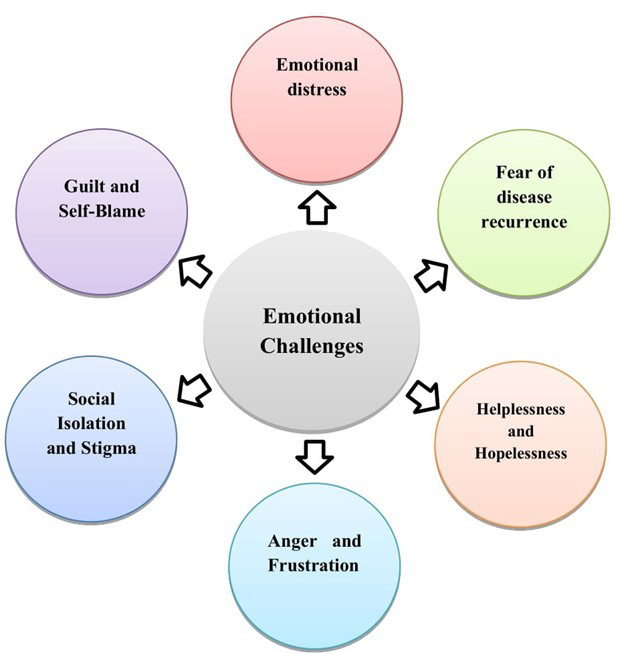
The emotional distress linked to lymphedema has been the subject of numerous research, each emphasizing its significant psychological effects on breast cancer patients. A study by Liu et al. indicated a high correlation between emotional distress and emotions of powerlessness and frustration, especially in patients facing challenges with symptom management[67]. Another study by Laustsen-Kiel et al. showed that almost 50% of women with lymphedema experienced increased levels of distress due to the chronic and visible characteristics of the condition, which frequently acted as a persistent reminder of their cancer experience[68]. According to a study by Chirico et al., people who reported a lack of social support were more likely to experience emotional distress, underscoring the significance of interpersonal interactions in easing psychological challenges[69]. Moreover, Yip et al. research revealed that unaddressed emotional discomfort frequently resulted in secondary mental health disorders, including anxiety and depression, hence exacerbating the patient’s quality of life[70]. A meta-analysis found that comprehensive care models incorporating psychological counseling alleviated emotional distress, highlighting the critical role of mental health assistance in enhancing outcomes for breast cancer survivors with lymphedema[71].
3.2 Fear of disease recurrence#
Ten studies taken in total highlight the great coping difficulties experienced by lymphedema-affected breast cancer patients, especially concerning their fear of disease recurrence and related effects. As Fortin et al. illustrates, general worry of recurrence causes patients to be constantly anxious and hypervigilant. That is, they monitor their bodies for symptoms of relapse and fear cancer returning[72]. Hunley et al. investigate fear of lymphedema recurrence, which causes constant anxiety about deteriorating symptoms and influences daily functioning by employing avoidance activities. Likewise, the emphasis on the dread of lymphatic system injury sometimes keeps patients from participating in physical activity since they are concerned about further damage to their lymphatic system[73].
Furthermore aggravating anxiety is the worry of cancer metastases, which Derakshan et al. investigated; patients become more distressed when lymphedema symptoms return and link it to the disease spread[74]. According to Bergerot et al., the emotional toll of fear of emotional impact can damage relationships and cause anxiety about the emotional stress on loved ones. Furthermore, as patients worry about losing their capacity to complete daily activities, the fear of impairment or functional decline can cause physical tiredness[75]. According to Sun et al., the worry of treatment failure is another significant source of anxiety among breast cancer patients with lymphedema. Uncertainty regarding the effectiveness of their treatment is the root cause of this anxiety, which increases stress and lowers confidence in their ability to manage their disease[76] effectively. In a clinical study by Duzova et al., 68% of patients, especially those with recurrent lymphedema or late cancer stages, had elevated worry about dying, which led to a deterioration in treatment adherence and emotional well-being[77]. Table 2 shows how the dread of disease recurrence, including financial ramifications, family effects, and handicaps, intensifies emotional distress and hinders lymphedema patients’ coping methods.
3.3 Social Isolation and Stigma#
The coping mechanisms for fatigue associated with social withdrawal and stigma in breast cancer patients with lymphedema highlight the emotional and social impact of these issues. According to Liang et al., social withdrawal is prevalent, as patients tend to evade social engagements because of the conspicuous manifestations of lymphedema, like swelling or scarring[78]. This is exacerbated by self-stigma. Zhong et al. highlight a scenario where an individual’s internalized guilt with their appearance results in diminished self-esteem and social isolation[79]. The loss of social support, examined by Shen et al., intensifies this isolation since patients indicate reduced emotional and practical assistance from family and friends.
Furthermore, perceived inferiority exacerbates feelings of emotional separation since patients perceive themselves as less “whole” due to bodily alterations[80]. As discussed by Lau et al., the reluctance to seek assistance stems from the apprehension of judgment, resulting in postponements in receiving therapy or emotional support. Furthermore, individuals experience rejection from peers or family, resulting in emotional discomfort and a diminished support system[81]. Workplace social isolation, as emphasized by Magnavita et al., 74% of participants reported feeling less supported and engaged at work, which increased their sense of exclusion, decreased their sense of self-worth, and significantly deteriorated their mental health and job satisfaction[82]. Table 2 shows how cultural stigma and fear of intimacy contribute to emotional retreat and impair supportive relationships in lymphedema patients.
3.4 Helplessness and Hopelessness#
Research investigating coping fatigue issues associated with chronic feelings of futility and self-stigma in breast cancer patients with lymphedema demonstrates the considerable emotional impact of these elements. Arora et al. assert that numerous patients experience a chronic sense of futility, perceiving their attempts to control lymphedema as unsuccessful, resulting in ongoing emotional weariness[83]. Aheto et al., observed that self-stigma, characterized by the internalization of society judgments regarding one’s condition, might intensify feelings of isolation and diminished self-esteem. Furthermore, the reduction of social support is a significant barrier, with patients indicating a decrease in social connections attributable to the physical constraints and conspicuous symptoms of lymphedema[84]. Cognitive distortions, including pessimism regarding treatment results, are commonly reported in patients, as indicated by Lyu et al., resulting in increased anxiety and emotional tiredness[67]. Fu & Rosedale examined the sensation of entrapment, wherein patients perceive themselves as constrained by the limitations of their disease, resulting in a persistent psychological burden[85]. The absence of hope for recovery, as Bernas et al., exacerbates emotional weariness, leading patients to lose motivation for therapy.
Moreover, it is indicated that patients frequently endure despair due to physical alterations, like edema or scarring, which exacerbate body image discontent and emotional fatigue[86]. Ehirim et al. showed that many lymphedema patients felt overwhelmed by regular physical care and medical appointments. Due to continuous problems, patients lost drive and surrendered, struggling to preserve hope and resilience[87]. Table 2 shows how despair and hopelessness, such as fear of the future, loss of identity, and a weakened will to fight, further weaken lymphedema sufferers’ emotional resilience.
3.5 Anger and Frustration#
Anger and frustration in breast cancer patients suffering from lymphedema highlight the emotional burden of addressing both physical and psychological effects. Peng et al. observed that numerous patients exhibit anger regarding bodily alterations, such as edema and scarring, resulting in discontent with their appearance and exacerbating emotional exhaustion[88]. Likewise, Li et al. discovered that patients frequently harbor self-directed anger, attributing the start of lymphedema to themselves, which intensifies feelings of inadequacy. Moreover, stigmatization induces anger, as patients absorb society judgments, exacerbating emotional weariness[89]. Mokhatri-Hesari & Montazeri reported that many lymphedema patients were frustrated and angry because their physical constraints prevented them from cooking, cleaning, or participating in recreational activities. This loss of freedom and dependency on others affected their quality of life and caused feelings of inadequacy and discontent with daily living[90]. Rooth et al. highlighted frustration with treatment since numerous patients consider their lymphedema treatments inadequate, resulting in disengagement from prescribed therapies.
Furthermore, noted patient frustration with the healthcare system, highlighting insufficient support and delays in service[91]. Yip et al. addressed the disappointment stemming from social isolation, as the physical constraints imposed by lymphedema hinder patients from participating in social activities, intensifying feelings of loneliness[70]. Table 2 lists other anger and frustration-related issues, such as chronic lymphedema and family or relationship tension, which increase emotional distress and complicate coping.
3.6 Guilt and Self-Blame#
Addressing shame and self-blame is a critical concern for breast cancer patients experiencing lymphedema. Research indicates that numerous patients experience guilt regarding illness progression, perceiving themselves as accountable for the emergence of lymphedema due to factors such as lifestyle decisions or noncompliance with medical recommendations[50]. This is frequently intensified by guilt stemming from the disruption of daily life, as patients experience remorse over the impact of lymphedema on their capacity to uphold everyday routines and relationships[92]. Baudoin et al. have shown that feelings of shame about one’s physical appearance are a serious problem since changes in body shape and visible signs of lymphedema can cause feelings of inferiority and embarrassment[93]. According to Green et al., patients feel responsible for the stress that lymphedema places on their loved ones and experience guilt about the emotional or financial toll it takes on their families.
Furthermore, patients experience guilt due to their reduced quality of life since they are unable to engage in things they used to enjoy, which exacerbates their mental pain[94]. Vieira et al. demonstrated Patients often blame themselves for poor treatment outcomes because they feel they are not doing enough to manage their illness or because they think the treatments have not produced the desired effects[95]. These studies emphasize the emotional distress experienced by individuals with lymphedema and underscore the necessity for suitable psychological interventions to tackle these intricate feelings of guilt and self-reproach. Table 2 shows additional guilt and self-blame issues, such as delayed diagnosis, lack of support-seeking, and diminished functionality, which increase patients’ regret inadequacy and emotional discomfort.
Table 2 An overview of additional emotional issues related to lymphedema in breast cancer patients.
| Emotional Challenges | Type of Study | Description | Impact on Patient | Reported Effects | Refs |
|---|---|---|---|---|---|
| Fear of Recurrence | |||||
| Fear of Financial Consequences | Randomized Clinical | Concern about financial pressure from recurrence and lymphedema therapy | Financial strain, stress, and coping mechanisms | Concern about treatment expenses and financial instability of recurrence | [96] |
| Fear of Impact on Family | Non-Randomized | Fear of recurrence or worsened symptoms may alter family interactions and caregiving. | Emotional distress and relationship strain | Stress over burdening family with more care | [97] |
| Fear of Disability | Observational | Fear that lymphedema would return or worsen and cause lifelong impairment or loss of function. | Decreased physical capabilities and anxiety | Fear of losing everyday activities due to lymphedema | [17] |
| Social Isolation and Stigma | |||||
| Cultural Stigma | Clinical | Cultural stigmas or ideas about disease or disability may increase isolation. | Social avoidance and increased emotional distress | Cultural views about lymphedema causing rejection or criticism | [98] |
| Fear of Intimacy | Systematic Review | Fear that lymphedema symptoms like swelling or scarring would disrupt romantic relationships. | Relationship tension and distress associated with intimacy | Avoiding physical intimacy for fear of the partner’s reaction | [92] |
| Helplessness and Hopelessness | |||||
| Fear of the Future | Randomized Clinical | Future anxiety over treatment efficacy or symptom worsening | Prolonged anxiousness and a lack of preparation | Patients with heightened future concern due to lymphedema’s unpredictability | [80] |
| Loss of Identity | Non-Randomized | People with lymphedema may feel like they’ve lost their identity | Identity crisis, trouble accepting new self-image | A mother’s symptoms make her feel estranged from her caregiving and herself. | [50] |
| Reduced Will to Fight | Systematic Review | Patients feel mentally fatigued, which reduces self-care or treatment motivation. | deteriorating health and a sense of resignation | Emotional fatigue resulting in a disregard for self-care routines | [99] |
| Anger and Frustration | |||||
| Frustration with Chronicity | Clinical | Lymphedema patients are angry due to chronicity and long-term management | Burnout and ongoing emotional exhaustion | Patients feeling overwhelmed by lymphedema management | [100] |
| Frustration with Family/Relationships | Observational | Relationship tension brought on by the mental and physical strain | Relationship stress and heightened conflict | Increased family conflict due to misunderstanding lymphedema’s emotional toll | [97] |
| Guilt and Self-Blame | |||||
| Self-Blame for Delayed Diagnosis | Systematic Review | Patients blame themselves for not recognizing lymphedema early on | Increased emotional discomfort and regret | Regret and shame for not identifying symptoms earlier worsen physical or emotional problems | [101] |
| Self-Blame for Lack of Support Seeking | Observational | Self-blame for not seeking lymphedema treatment | heightened emotional strain and a sense of loneliness | Patients regret not getting care earlier and blame themselves for their increasing health | [102] |
| Self-blame for Reduced Functionality | Non-Randomized | Patients blame themselves for lymphedema-related function loss. | Reduced self-confidence and self-annoyance | Self-criticism for failed everyday tasks causes depression. | [45] |
Table 3 Currently reported additional psychological and emotional Interventions for lymphedema in breast cancer.
| Interventions | Type of Study | Sample size | Outcomes | Reduced Challenges | Effectiveness (%) | Refs |
|---|---|---|---|---|---|---|
| Cognitive Behavioral Therapy | ||||||
| CBT for Fear of Cancer Recurrence | Randomized control trial | 95 | Enhanced emotional resilience | Reduced anxiety about recurrence | 82% | [119] |
| CBT for Body Image Restructuring | Clinical | 85 | Improved self-esteem and body perception | Reduced body image dissatisfaction | 80% | [105] |
| CBT and Psychoeducation Combination | Clinical | 90 | Enhanced understanding, reduced distress | Better management of lymphedema symptoms | 78% | [117] |
| CBT with Mindfulness Components | Observational | 50 | Enhanced present-moment focus | Reduced stress and negative thoughts | 74% | [120] |
| CBT-Based Pain Management | Randomized Clinical | 80 | Lowered pain perception | Enhanced daily functioning | 78% | [121] |
| CBT with Relaxation Training | Randomized Clinical | 100 | Decreased stress and improved sleep | Reduced physical discomfort and fatigue | 82% | [122] |
| Mindfulness-Based Stress Reduction | ||||||
| Online MBSR for Accessibility | Randomized Clinical | 90 | Addressed geographical barriers | Enhanced mindfulness, reduced anxiety | 80% | [124] |
| MBSR for Emotional Regulation | Observational | 60 | Improved emotional resilience | Reduced fear and anxiety | 78% | [106] |
| MBSR for Pain and Swelling | Observational | 40 | Improved pain management | Addressed physical and psychological pain | 72% | [123] |
| MBSR with Yoga Practice | Clinical | 85 | Enhanced physical relaxation | Reduced tension and fatigue | 78% | [114] |
| Journaling with MBSR Practices | Clinical | 65 | Enhanced emotional release | Combined benefits of mindfulness and self-reflection | 74% | [107] |
| Acceptance and Commitment Therapy | ||||||
| Group-Based ACT | Observational | 40 | Increased social support, reduced stress | Addressed feelings of isolation | 70% | [126] |
| ACT for Body Image Dissatisfaction | Observational | 50 | Increased self-compassion and body acceptance | Reduced self-criticism | 74% | [125] |
| ACT with Exposure-Based Techniques | Clinical | 70 | Decreased avoidance behavior | Improved engagement in meaningful activities | 80% | [108] |
| ACT for Fear of Cancer Recurrence | Clinical | 85 | Reduced fear, enhanced present-moment awareness | Improved emotional resilience | 78% | [109] |
| Relaxation Techniques | ||||||
| Deep Breathing Exercises | Randomized Clinical | 85 | Improved focus and emotional stability | Alleviated anxiety and stress | 82% | [116] |
| Guided Imagery | Randomized Clinical | 90 | Reduced swelling and stress levels | Enhanced relaxation and coping | 78% | [112] |
| PMR Technique | Randomized Clinical | 100 | Reduced stress and improved sleep | Lowered fatigue and tension | 80% | [116] |
| Tai Chi with Relaxation Techniques | Clinical | 70 | Reduced stress, enhanced physical balance | Addressed physical and emotional challenges | 80% | [127] |
| Relaxation through Music Therapy | Clinical | 65 | Decreased stress levels | Improved emotional and mental health | 74% | [113] |
| Art Therapy | ||||||
| Creative Art Making (painting, sculpture) | Randomized Clinical | 75 | Increased self-compassion, better mood regulation | Reduced negative thoughts and feelings | 80% | [112] |
| Visual Art Therapy | Randomized Clinical | 70 | Improved body image, enhanced self-awareness | Addressed body image dissatisfaction | 78% | [112] |
| Art Therapy for Trauma and Emotional Healing | Clinical | 65 | Reduced trauma symptoms, improved mental clarity | Alleviated feelings of distress and fear | 79% | [128] |
| Art Therapy with Journaling | Clinical | 60 | Enhanced emotional expression and release | Reduced internalized stress | 74% | [128] |
| Psychological Counseling | ||||||
| Crisis Counseling | Non-randomized | 55 | Enhanced emotional support in acute distress | Reduced emotional overwhelm and stress | 74% | [130] |
| Counseling with Emotional Regulation Techniques | Clinical | 65 | Improved emotional regulation, reduced fear | Increased resilience to physical challenges | 78% | [6] |
| Individual Psychotherapy (with CBT techniques) | Clinical | 70 | Reduced negative thoughts, improved mental health | Enhanced emotional regulation | 80% | [129] |
| Psychoeducation | Randomized Clinical | 85 | Increased knowledge, reduced emotional burden | Improved stress management | 78% | [117] |
| Supportive Counseling | Randomized Clinical | 90 | Enhanced emotional support, improved well-being | Reduced isolation and distress | 82% | [131] |
Note: Cognitive Behavioral Therapy (CBT), Mindfulness-Based Stress Reduction (MBSR), Acceptance and Commitment Therapy (ACT), Progressive Muscle Relaxation (PMR), Emotional Freedom Techniques (EFT),
4 Current Interventions and Their Effectiveness#
Contemporary psychological therapies have demonstrated considerable efficacy in alleviating the psychological distress associated with lymphedema in breast cancer patients. Cognitive-behavioral therapy (CBT) is a prevalent method that efficiently alleviates anxiety, depression, and adverse body image concerns frequently linked to lymphedema in breast cancer patients[103]. Lau et al. study found that CBT dramatically lowers mental distress in lymphedema patients. Patient self-efficacy in controlling their disease has grown when CBT reduces anxiety and depression[104]. In a clinical experiment by Ko & Lee, the effects of cognitive-behavioral therapy on body image dissatisfaction revealed that participants experienced enhanced self-confidence and a more favorable view of their physical appearance after the completion of therapy sessions[105]. Similarly, mindfulness-based therapies, such as Mindfulness-Based Stress Reduction (MBSR), A RCT by Wang et al. with 80 participants demonstrated that the MBSR group achieved a 45% decrease in anxiety and a 50% decrease in depressive symptoms following an 8-week intervention[106]. A study by Zeng et al., including 100 participants, demonstrated a 35% enhancement in quality of life scores and a 30% decrease in reported lymphedema severity among individuals engaging in MBSR, along with a 25% rise in compliance with self-care practices, including compression therapy and exercise[107].
Acceptance and Commitment Therapy (ACT) has also gained traction for its focus on psychological flexibility, helping patients accept their condition while fostering a sense of purpose and control over their lives. In an RCT including 70 participants, individuals receiving ACT demonstrated a 40% decrease in emotional discomfort and a 35% enhancement in psychological flexibility[108]. A separate trial by Nicolescu et al., including 85 patients, demonstrated a 30% improvement in quality of life scores and a 25% rise in adherence to lymphedema self-management strategies, including exercise and compression therapy, after an 8-week ACT program[109]. Supportive-Expressive Group Therapy (SEGT), for example, allows patients to share emotions and strategies for coping, significantly improving mood and resilience. In a 60-patient trial by Gupta, the SEGT group reported a 50% reduction in isolation and a 45% improvement in emotional well-being, compared to 20% and 15% in the control group[110]. Lagana et al. indicated in a 12-week trial with 75 patients, SEGT reduced anxiety and depression by 40% and increased social support by 30%[111].
Emerging therapies, such as art therapy and guided imagery, have shown the potential to reduce stress and promote emotional expression. However, more extensive research is needed to validate their efficacy, specifically for lymphedema. Liu et al.’s study with 60 participants indicated that individuals who participated in visual art therapy, including painting and drawing, experienced a 45% decrease in emotional discomfort and a 30% enhancement in self-esteem[112]. Furthermore, Ong et al. examined music therapy, with 70 patients engaged in facilitated music composition and listening activities. The experimental group exhibited a 40% reduction in stress levels and a 35% enhancement in overall mood, whereas the control group indicated decreases of about 20% and 15%, respectively[113]. By encouraging a sense of calm and enhancing physiological reactions like blood flow and lymphatic drainage, relaxation techniques like yoga, progressive muscle relaxation, and deep breathing exercises can lower stress and anxiety levels. Yoga greatly enhanced several facets of quality of life, including physical and emotional functioning, according to Freguia et al., and helped to lower symptoms, including tiredness, discomfort, and insomnia[114]. Although yoga may improve general well-being, its effect on lymphedema-related swelling may be limited, as seen by no appreciable improvements in arm volume[115]. Yanxue et al. Yoga provides various benefits above traditional massage, Unlike massage, which primarily aims to increase circulation and lower muscle tension by employing soft tissue manipulation[116].
Psychological counseling enhances these advantages by offering a secure environment for patients to articulate their anxieties, body image issues, and coping mechanisms. A trial by Mustikaningsih et al. demonstrated a 35% enhancement in patients’ coping strategies and resilience, facilitating improved compliance with lymphedema management protocols[117]. A 30% improvement in body image perception was noted by Tavares et al. in a systematic review, which gave patients more confidence to deal with the apparent consequences of lymphedema. Furthermore, a longitudinal trial demonstrated long-lasting advantages, maintaining a 25% decrease in psychological discomfort for six months.[118]. Overall, the integration of psychological therapies into lymphedema management has demonstrated substantial benefits, emphasizing the need for tailored, multidisciplinary approaches to support the emotional and physical well-being of breast cancer patients with lymphedema.
5 Research Gaps and Future Directions#
While significant progress has been made in understanding the psychological and emotional challenges of lymphedema in breast cancer patients, several research gaps remain. First, there is limited longitudinal data exploring the long-term psychological impacts of lymphedema, such as chronic anxiety, depression, and body image disturbances, which persist even after physical symptoms stabilize. Future research should emphasize extended follow-up periods to assess the enduring effects of psychological interventions[132]. Second, the diversity of study populations is insufficient, as most research focuses on urban middle-aged women, neglecting variations in age, ethnicity, socioeconomic status, and geographical location. This gap underscores the need for studies addressing the unique needs of underserved and minority populations[31].
Moreover, there is a lack of comparative studies evaluating the effectiveness of different psychological and emotional interventions, such as Cognitive-Behavioral Therapy (CBT), Mindfulness-Based Stress Reduction (MBSR), and art therapy, in diverse patient populations[114]. Future research should prioritize head-to-head trials to identify optimal therapeutic approaches. Additionally, the integration of digital and virtual therapies remains underexplored despite their potential to improve access to care for patients in remote areas[133]. Investigating the efficacy of teletherapy and its role in a multidisciplinary treatment model would be a valuable avenue for future studies[8]. Lastly, the interplay between psychological challenges and physical outcomes, such as lymphedema severity and self-care adherence, remains poorly understood. Research focusing on this bidirectional relationship could guide more holistic and effective interventions for this patient population[134].
6 Conclusion#
Lymphedema poses a multifaceted array of physical, psychological, and emotional difficulties for breast cancer patients, significantly affecting their overall quality of life. The overt and persistent characteristics of this disorder frequently result in complications such as body image disturbances, anxiety, depression, and social isolation, necessitating intervention beyond conventional medical treatment. This review emphasizes the importance of implementing a comprehensive, patient-centered strategy incorporating psychological support into lymphedema management. By alleviating the emotional difficulties associated with lymphedema, healthcare providers can enable patients to manage their disease more efficiently, enhancing resilience and overall well-being. Future research and clinical initiatives should prioritize the creation of customized interventions addressing both the physical and psychological dimensions of lymphedema, thereby guaranteeing holistic care for breast cancer survivors.
Declarations
€Funding
♥Acknowledgements
Article information
- Published
Copyright © 2025 Dr. Danli Wang. This is an open access article distributed under the Creative Commons Attribution License, which permits unrestricted use, distribution, and reproduction in any medium, provided the original work is properly cited. CC BY 4.0 · Corrections policy
References 134#
- 1
Tonorezos, E., Devasia, T., Mariotto, A. B., Mollica, M. A., Gallicchio, L., Green, P., ... & de Moor, J. S. (2024). Prevalence of cancer survivors in the United States. JNCI: Journal of the National Cancer Institute, 116(11), 1784-1790.
- 2
Tao, X. (2024). An Investigation of Global and Local Radiomic Features for Customized Self-Assessment Mammographic Test Sets for Radiologists in China in Comparison with Those in Australia (Doctoral dissertation).
- 3
Gradishar, W. J., Moran, M. S., Abraham, J., Abramson, V., Aft, R., Agnese, D., ... & Kumar, R. (2024). Breast cancer, version 3.2024, NCCN clinical practice guidelines in oncology. Journal of the National Comprehensive Cancer Network, 22(5), 331-357.
- 4
Greener, M. (2024). Breast cancer-related lymphoedema: advances and outstanding issues. British Journal of Community Nursing, 29(Sup10), S26-S28.
- 5
Hayes, S. C., Bernas, M., Plinsinga, M. L., Pyke, C., Saunders, C., Piller, N., ... & McCarthy, A. L. (2024). Breast cancer-related arm lymphoedema: a critical unmet need. Eclinicalmedicine, 75.
- 6
Shen, A., Qiang, W., Zhang, L., Bian, J., Zhu, F., Zhang, Z., & Lu, Q. (2024). Risk Factors for Breast Cancer-Related Lymphedema: An Umbrella Review. Annals of Surgical Oncology, 31(1), 284-302.
- 7
Sharifi, N., & Ahmad, S. (2024). Breast cancer-related lymphedema: a critical review on recent progress. Surgical Oncology, 102124.
- 8
Ding, J., Jiang, X., Huang, Z., Ji, Q., Long, J., Cao, Y., & Guo, Y. (2024). The prevalence of non-sentinel lymph node metastasis among breast cancer patients with sentinel lymph node involvement and its impact on clinical decision-making: a single-centred retrospective study. Oncology Reviews, 18, 1495133.
- 9
Blei, F. (2024). Update April 2024. Lymphatic Research and Biology, 22(2), 163-187.
- 10
Zhong, C., Xiao, H., Chen, B., Lan, Y., Liu, H., & Zhang, W. (2024). Predictive models for breast cancer-related lymphedema after mastectomy. American Journal of Translational Research, 16(9), 4623.
- 11
Dzupina, A., Yaluri, N. K., & Jankajova, M. (2024). Diagnostics, Predictors and the Efficacy of Lymphedema Decongestive Therapy.
- 12
Amoozegar-Montero, A. (2024). Dressing The Postsurgical Body: An Examination Of Experience, Perceptions, And Body Image With Reconstructive Breast Surgery And Bra Fit (Doctoral dissertation, Open Access Te Herenga Waka-Victoria University of Wellington).
- 13
Scerri, J., Cilia Vincenti, S., Galea, M., Cefai, C., Grech, P., Sammut, A., & Attard, C. (2024). Hit by the wave: The experiences of adult males living with lymphoedema. Plos one, 19(5), e0304577.
- 14
Schleicher, E. A. (2024). Understanding Biopsychosocial Influences on Physical Activity and Quality of Life in Breast Cancer Survivors (Doctoral dissertation, The University of Alabama at Birmingham).
- 15
Lau, K., Patel, S., Rogers, K., Smith, S., & Riba, M. (2024). Cancer-Related Lymphedema and Psychological Distress. Current psychiatry reports, 1-8.
- 16
Khajoei, R., Azadeh, P., ZohariAnboohi, S., Ilkhani, M., & Nabavi, F. H. (2024). Breast cancer survivorship needs: a qualitative study. BMC cancer, 24(1), 96.
- 17
Almagro-Céspedes, I., Tapia-Haro, R. M., Mesa-Ruiz, A. M., Fernández-Sánchez, N., Ariza-Vega, P., & Aguilar-Ferrándiz, M. E. (2024). Analysis and relationship between the volume of upper limb lymphoedema and pressure pain threshold, neural range of motion, pain intensity, kinesiophobia, pain hypervigilance and catastrophizing in breast cancer survivors. European Journal of Physical and Rehabilitation Medicine, 60(5), 847.
- 18
Büyük, F., Surel, A. A., Bakırcı, E. Ş., Karakılıç, G. D., Pirinççi, C. Ş., & Borman, P. Evaluation of the effect of accompanying lymphedema on the quality of life and anxiety level of caregivers of patients with breast and genitourinary system cancers.
- 19
Xu, W., Zhou, L., Zhao, C., Zhou, Y., Chen, S., & Yang, L. (2024). Evaluating Body Image Disturbance and Its Influencing Factors in Breast Cancer Patients Following Unilateral Mastectomy.
- 20
Tang, W. Z., Mangantig, E., Iskandar, Y. H. P., Cheng, S. L., Yusuf, A., & Jia, K. (2024). Prevalence and associated factors of psychological distress among patients with breast cancer: a systematic review and meta-analysis. BMJ open, 14(9), e077067.
- 21
Magnavita, N., Meraglia, I., & Terribile, D. A. (2024). Returning to Work after Breast Cancer: A One-Year Mixed-Methods Study. International Journal of Environmental Research and Public Health, 21(8), 1057.
- 22
Caruso, A., Condello, C., Maggi, G., Vigna, C., D’Antonio, G., Gallo, L., ... & Gremigni, P. (2024). How Psychophysical Stress Can Mediate the Effects of Anxiety and Depression on the Overall Quality of Life and Well-Being in Women Undergoing Hereditary Breast Cancer Screening. Cancers, 16(21), 3613.
- 23
Myers, S. P., Laws, A., Dominici, L. S., Lagendijk, M., Grossmith, S., Mittendorf, E. A., & King, T. A. (2024). Arm morbidity and financial difficulty in breast cancer survivors. Journal of Cancer Survivorship, 1-8.
- 24
Aboumrad, M., Joshu, C., & Visvanathan, K. (2024). Impact of major depressive disorder on breast cancer outcomes: a national retrospective cohort study. JNCI: Journal of the National Cancer Institute, djae287.
- 25
Kitaw, T. A., Getie, A., Asgedom, S. G., Adisu, M. A., Tilahun, B. D., Zemariam, A. B., ... & Haile, R. N. (2024). Lower limb lymphoedema-related mental depression: A systematic review and meta-analysis of non-cancer-related studies. Global Epidemiology, 100180.
- 26
Loibnegger-Traußnig, K., Schwerdtfeger, A. R., & Flaggl, F. (2024). Perceived Psychological and Physical Health as Predictors of Mortality and Quality of Life in Patients with Lymphedema: A Prospective Study Spanning Almost Two Decades. International Journal of Behavioral Medicine, 1-10.
- 27
Mustață, L. M., Peltecu, G., Gică, N., Botezatu, R., Iancu, G., Gheoca, G. D., ... & Iordăchescu, D. A. (2024). Evaluation of quality of life and socio-emotional impact of oncological treatment among patients with breast cancer. Journal of Medicine and Life, 17(3), 341.
- 28
Beck, A. C., & Lizarraga, I. M. (2024). Long-Term Burden of Breast Cancer-Related Lymphedema. Current Breast Cancer Reports, 16(2), 251-259.
- 29
King, R., Stafford, L., Butow, P., Giunta, S., & Laidsaar-Powell, R. (2024). Psychosocial experiences of breast cancer survivors: a meta-review. Journal of Cancer Survivorship, 18(1), 84.
- 30
McGhee, D. E., McMahon, A. T., & Steele, J. R. (2024). Patient Perceptions of Physical Rehabilitation and Its Method of Delivery for a Variety of Adverse Physical Effects following Breast Cancer Surgery: An Observational Mixed Methods Study. European Journal of Cancer Care, 2024(1), 6612611.
- 31
Brunelle, C. L., Boyages, J., Jung, A. W., Suami, H., Juhel, B. C., Heydon-White, A., ... & Taghian, A. G. (2024). Breast lymphedema following breast-conserving treatment for breast cancer: current status and future directions. Breast Cancer Research and Treatment, 204(2), 193-222.
- 32
Khaled, H. N., Ibrahim, E. E., & Aziz, R. A. A. (2024). Assessment of sexual function and quality of life in breast cancer patients before and after the occurrence of therapy-related skin changes. Egyptian Journal of Dermatology and Venerology, 44(3), 200-208.
- 33
Ostapenko, E. (2024). Immediate prepectoral implant-based breast reconstruction for breast cancer patients (Doctoral dissertation, Vilniaus universitetas.).
- 34
Kholmatov, S., Madaminov, S., Zokirjonov, D., & Sobirova, D. (2024). A comprehensive review of radiotherapy and chemotherapy-induced morphological side effects in breast cancer treatment: strategies for management and mitigation. Science and innovation, 3(D6), 11-24.
- 35
Saeki, Y., Sumi, Y., Ozaki, Y., Hosonaga, M., Kenmotsu, Y., Onoe, T., ... & Matsumoto, Y. (2024). Proposal for Managing Cancer-Related Insomnia: A Systematic Literature Review of Associated Factors and a Narrative Review of Treatment. Cancer Medicine, 13(22), e70365.
- 36
Panitz, D., & Bobos, F. (2023). Hypochondriacal fear of breast cancer–a failure of the dual maternal functions: “mother-of-the-infant” and “censorship of the lover”. The International Journal of Psychoanalysis, 104(2), 244-262.
- 37
Khanjari, Z., Iravani, M., Abedi, P., & Ghanbari, S. (2024). Effect of Omega-3 fatty acid supplementation on sexual function of pregnant women: a double blind randomized controlled trial. International Journal of Impotence Research, 36(4), 414-421.
- 38
Yıldırım, T. T., & Yıldız, S. (2023). The Emergence of a Psychotic Disorder With a Diagnosis of Breast Cancer Metastasized to the Brain: A Case Report. Cureus, 15(11).
- 39
Bellman, V., Russell, N., Depala, K., Dellenbaugh, A., Desai, S., Vadukapuram, R., ... & Srinivas, S. (2021). Challenges in treating cancer patients with unstable psychiatric disorder. World journal of oncology, 12(5), 137.
- 40
Arian, I., Machidon, D., & Dumbrăveanu, I. (2024). Management of sexual and reproductive problems in breast cancer survivors. One Health and Risk Management, (2), 4-12.
- 41
Abakay, H., Dogan, H., Atilabey Güç, A., & Talay Çalış, H. (2023). Association of lower extremity lymphedema with pelvic floor functions, sleep quality, kinesiophobia, body image in patients with gynecological cancers. Women & Health, 63(1), 27-34.
- 42
Castelo-Branco, C., & Mension, E. (2024). Sexual Function in Breast Cancer and Sexual Health. In Medical Disorders and Sexual Health: A Guide for Healthcare Providers (pp. 281-290). Cham: Springer Nature Switzerland.
- 43
Zheng, S., Cai, L., Miao, Z., & Yang, Y. (2024). Fertility Preservation for Young Women with Breast Cancer: Review and Perspective. Clinical and Experimental Obstetrics & Gynecology, 51(7), 150.
- 44
Vuong, S., & Warner, E. (2024). Breast cancer survivorship among younger patients: challenges and opportunities—narrative review. Annals of Palliative Medicine, 13(5), 1246257-1241257.
- 45
Qiu, J. M., Fu, M. R., Finlayson, C. S., Tilley, C. P., Payo, R. M., Korth, S., ... & Lippincott, C. L. R. Women and Children Nursing.
- 46
Soltanipur, M., Yarmohammadi, H., Shahshenas, S., Abbasvandi, F., Montazeri, A., & Sheikhi, Z. (2024). The Relationship Between Upper-Limb Lymphedema and Fatigue Among Breast Cancer Survivors. European Journal of Cancer Care, 2024(1), 3452139.
- 47
Hara, H., Minagawa, H., & Mihara, M. (2024). Psychological Changes During Inpatient Conservative Treatment for Lymphedema. Lymphatic Research and Biology, 22(1), 55-59.
- 48
Lin, P. J., Belcher, E. K., Gilmore, N. J., Hardy, S. J., Xu, H., & Mustian, K. M. (2021). Cancer-related fatigue. Common Issues in Breast Cancer Survivors: A Practical Guide to Evaluation and Management, 153-168.
- 49
Fu, M. R., Axelrod, D., Guth, A. A., Scagliola, J., Rampertaap, K., El-Shammaa, N., ... & Wang, Y. (2022). A web-and mobile-based intervention for women treated for breast cancer to manage chronic pain and symptoms related to lymphedema: results of a randomized clinical trial. JMIR cancer, 8(1), e29485.
- 50
Bock, K. J., Kelly, K., Pospichal, D. R., Siengsukon, C. F., & Peltzer, J. (2024). The impact of sleep on the lives of women who have breast cancer-related lymphedema: a qualitative exploration. Lymphatic Research and Biology, 22(3), 203-209.
- 51
Chen, Y., Zuo, X., Tang, Y., & Zhou, Z. (2024). The effects of Tai Chi and Baduanjin on breast cancer patients: systematic review and meta-analysis of randomized controlled trials. Frontiers in Oncology, 14, 1434087.
- 52
Amr, E. F., Abd El, B. I. A. A., Rahman, E. M. M. A. S., Mohamed, E. E. B., Amer, N. A., Rashed, A. B., ... & Abouelmaati, H. M. B. (2024). Effect of Strategies Implementation on Anxiety Level and Promoting Empowerment Status among New Breast Cancer Women. Library Progress International, 44(3), 11857-11876.
- 53
Ge, L. P., Tang, L., Zuo, W., Zhou, C., Gao, T., Li, Y., ... & Feng, W. (2024). Psychological Stress and Its Correlations to Patients with Acute Lymphedema After Breast Cancer Surgery. Breast Cancer: Targets and Therapy, 867-876.
- 54
Wu, C. Y., Lee, M. B., Huong, P. T. T., Chen, I. M., Chen, H. C., & Hsieh, M. H. (2024). Longitudinal Outcomes of Resilience, Quality of Life, and Community Integration in Treatment-Resistant Depression: A Two-Group Matched Controlled Trial. Journal of the American Psychiatric Nurses Association, 30(4), 765-777.
- 55
Heidkamp, P. L. (2024). Psychological adjustment in cancer survivorship–trajectories of fear of recurrence, depression, anxiety, and coping in breast cancer survivors (Doctoral dissertation, Universitäts-und Landesbibliothek Bonn).
- 56
Hoole, J., Kanatas, A., Calvert, A., Rogers, S. N., Smith, A. B., & Mitchell, D. A. (2015). Validated questionnaires on intimacy in patients who have had cancer. British Journal of Oral and Maxillofacial Surgery, 53(7), 584-593.
- 57
Hutton, R. (2024). Developing new practices for managing breast and chest lymphoedema. British Journal of Community Nursing, 29(Sup10), S20-S24.
- 58
Valente, S., & Roesch, E. (2024). Breast cancer survivorship. Journal of Surgical Oncology.
- 59
İlgin, V. E., Yayla, A., & Kılınç, T. (2024). The effect of preoperative education given to patients who will have a mastectomy: A randomized controlled trial. Journal of PeriAnesthesia Nursing, 39(1), e1-e8.
- 60
Song, W., Shari, N. I., Song, J., Zhang, R., Mansor, N. S., Leong Bin Abdullah, M. F. I., & Zhang, Z. (2024). Effectiveness of Acceptance and Commitment Therapy (ACT) on disease acceptance for breast cancer patients: Study protocol of a randomized controlled trial. PloS one, 19(11), e0312669.
- 61
Smedsland, S. K. (2024). Sexual Health and Burden of Late Effects in Long-Term Breast Cancer Survivors.
- 62
Kennedy, S. K., Mekhaeil, S., Zhang, E., Jolfaei, N. A., Wong, H. C., Chan, A. W., ... & Alkhaifi, M. (2024). Sexual health after breast cancer: a clinical practice review.
- 63
Shourab, E. M. (2022). Female Sexual Dysfunction and Body Image Dissatisfaction Among a Sample of Egyptian Patients with Breast Cancer (Doctoral dissertation, Ain Shams University).
- 64
Buki, L. P., Rivera-Ramos, Z. A., Kanagui-Muñoz, M., Heppner, P. P., Ojeda, L., Lehardy, E. N., & Weiterschan, K. A. (2021). “I never heard anything about it”: Knowledge and psychosocial needs of Latina breast cancer survivors with lymphedema. Women’s Health, 17, 17455065211002488.
- 65
Perdomo, M., Davies, C. C., Ryans, K., Levenhagen, K., & Gilchrist, L. (2024). Breast Cancer-Related Lymphedema Education: A Clinical Framework Across Survivorship. Rehabilitation Oncology, 42(3), 138-145.
- 66
Tao, L., Lv, J., Zhong, T., Zeng, X., Han, M., Fu, L., & Chen, H. (2024). Effects of sleep disturbance, cancer-related fatigue, and psychological distress on breast cancer patients’ quality of life: a prospective longitudinal observational study. Scientific Reports, 14(1), 8632.
- 67
Lyu, X. C., Jiang, H. J., Lee, L. H., Yang, C. I., & Sun, X. Y. (2024). Oncology nurses’ experiences of providing emotional support for cancer patients: a qualitative study. BMC nursing, 23(1), 58.
- 68
Laustsen-Kiel, C. M., Hansen, L., Lauritzen, E., & Damsgaard, T. E. (2024). Breast reconstruction and breast cancer-related lymphedema: insights and perspectives. Plastic and Aesthetic Research, 11, 17.
- 69
Chirico, A., Palombi, T., Alivernini, F., Lucidi, F., & Merluzzi, T. V. (2024). Emotional Distress Symptoms, Coping Efficacy, and Social Support: A Network Analysis of Distress and Resources in Persons With Cancer. Annals of Behavioral Medicine, kaae025.
- 70
Yip, K. H., Yip, Y. C., Tsui, W. K., Chan, C. S. A., Mo, Y. H., & Smith, G. D. (2024). Navigating changes: A qualitative study exploring the health-related quality of life of breast cancer survivors during the coronavirus disease 2019 pandemic. Journal of Advanced Nursing, 80(4), 1531-1544.
- 71
Li, X., & Dong, L. (2024). The intervention effect of psychological care combined with ondansetron, dexamethasone, and promethazine hydrochloride on chemotherapy in breast cancer surgical patients. Technology and Health Care, 32(6), 5047-5063.
- 72
Fortin, J., Rudd, É., Trudel-Fitzgerald, C., Cordova, M. J., Marin, M. F., & Brunet, A. (2024). Understanding mental health in breast cancer from screening to Survivorship: an integrative phasic Model and tool. Psychology, Health & Medicine, 1-23.
- 73
Hunley, J., Doubblestein, D., & Campione, E. (2024). Current evidence on patient precautions for reducing breast cancer-related lymphedema manifestation and progression risks. Medical Oncology, 41(11), 262.
- 74
Derakshan, N., Taylor, J., & Chapman, B. (2024). Infographics on signs and symptoms of metastatic (secondary) breast cancer can empower women with a breast cancer diagnosis. Frontiers in Psychology, 15, 1403114.
- 75
Bergerot, C., Bergerot, P. G., Maués, J., Segarra-Vazquez, B., Mano, M. S., & Tarantino, P. (2024). Is cancer back?— psychological issues faced by survivors of breast cancer. Annals of Palliative Medicine, 13(5), 1229234-1221234.
- 76
Sun, Y., Fu, M. R., Jiang, Y., & Little, A. S. (2024). Initiating and Maintaining Complete Decongestive Therapy Self-Management of Lymphedema Among Breast Cancer Survivors: Descriptive Qualitative Study. Integrative cancer therapies, 23, 15347354241226625.
- 77
Duzova, U. S., Duzova, M., & Altinel, B. (2024). The effect of sleep quality on attitudes toward death in breast cancer survivors. Supportive Care in Cancer, 32(10), 1-12.
- 78
Liang, M., Chen, Q., Peng, K., Deng, L., He, L., Hou, Y., ... & Li, L. (2020). Manual lymphatic drainage for lymphedema in patients after breast cancer surgery: A systematic review and meta-analysis of randomized controlled trials. Medicine, 99(49), e23192.
- 79
Zhong, Q., Zhang, H., Zhang, L., Luo, Q., Zhang, H., Liu, F., ... & Zhang, L. (2024). Effects of Alexithymia to Stigma of Patients with Lymphedema. Journal of Cancer Therapy, 15(4), 201-211.
- 80
Shen, A., Wu, P., Qiang, W., Zhu, F., Zhang, Z., Wang, Y., & Lu, Q. (2023). Breast cancer survivors’ experiences of barriers and facilitators to lymphedema self-management behaviors: a theory-based qualitative study. Journal of Cancer Survivorship, 1-17.
- 81
Lau, K., Patel, S., Rogers, K., Smith, S., & Riba, M. (2024). Cancer-Related Lymphedema and Psychological Distress. Current psychiatry reports, 1-8.
- 82
Magnavita, N., Meraglia, I., & Terribile, D. A. (2024). Returning to Work after Breast Cancer: A One-Year Mixed-Methods Study. International Journal of Environmental Research and Public Health, 21(8), 1057.
- 83
Arora, A., Chang, P., & Asher, A. (2024). The Role of Rehabilitation for the Dying Cancer Patient. Current Physical Medicine and Rehabilitation Reports, 12(1), 119-125.
- 84
Aheto, K. B. (2024). Socioecological Factors Influencing the Anticipated Medical Help-Seeking Time for Breast Cancer Among Women in Togo, a Sub-Saharan Country (Doctoral dissertation, Walden University).
- 85
Fu, M. R., & Rosedale, M. (2009). Breast cancer survivors’ experiences of lymphedema-related symptoms. Journal of pain and symptom management, 38(6), 849-859.
- 86
Bernas, M., Al-Ghadban, S., Thiadens, S. R., Ashforth, K., Lin, W. C., Safa, B., ... & McNeely, M. L. (2024). Etiology and treatment of cancer-related secondary lymphedema. Clinical & Experimental Metastasis, 41(4), 525-548.
- 87
Ehirim, C. J. (2024). Nurses’ Roles in the Care of Patients with Breast Cancer_ An Interview Study.
- 88
Peng, S. H., Huang, C. Y., Shih, C. M., Tsai, P. Y., Yang, J. C. S., & Hsieh, C. H. (2024, July). Effects of Lymphaticovenous Anastomosis on Quality of Life, Body Image, and Spiritual Health in Lymphedema Patients: A Prospective Cohort Study. In Healthcare (Vol. 12, No. 14, p. 1419). MDPI.
- 89
Li, C., Ure, C., Zheng, W., Zheng, C., Liu, J., Zhou, C., ... & Wu, Y. (2023). Listening to voices from multiple sources: a qualitative text analysis of the emotional experiences of women living with breast cancer in China. Frontiers in Public Health, 11, 1114139.
- 90
Mokhatri-Hesari, P., & Montazeri, A. (2020). Health-related quality of life in breast cancer patients: review of reviews from 2008 to 2018. Health and quality of life outcomes, 18, 1-25.
- 91
Rooth, K., Sundberg, K., Gustavell, T., Langius-Eklöf, A., & Gellerstedt, L. (2024). Symptoms and need for individualised support during the first year after primary treatment for breast cancer—A qualitative study. Journal of Clinical Nursing, 33(6), 2298-2308.
- 92
Ulman, J., Serrant, L., Dunham, M., & Probst, H. (2024). Exploring women’s experiences of breast or trunk lymphoedema following treatment for breast cancer. Journal of Psychosocial Oncology, 42(1), 64-79.
- 93
Baudoin, C. D. (2024). The Lived Experience of Body Image in Women Undergoing Active Treatment of Head and Neck Cancer: A Hermeneutical Phenomenological Inquiry (Doctoral dissertation, Louisiana State University Health Sciences Center).
- 94
Patil, E. V., Forsberg, A., Wennerholm, C., & Drott, J. (2024). “It Is What It Is”–The Lived Experience of Women With Breast Cancer Undergoing Axillary Lymph Node Dissection. Journal of Patient-Centered Research and Reviews, 11(3), 222.
- 95
Vieira Carvalho, A., Lima Barroso, V. F., Lobo Baeta, C. C., Soares, A. N., & Drummond-Lage, A. P. (2024). Assessment of quality of life, pain, depression, and body-image in breast cancer patients in neoadjuvant therapy. Psychology, Health & Medicine, 1-16.
- 96
Yarmohammadi, H., Soltanipur, M., Farahani, M. S., Hosseini, S. E., & Sheikhi, Z. (2024). Financial burden of lymphedema among breast cancer survivors in Iran: A qualitative study. JMV-Journal de Médecine Vasculaire, 49(5-6), 203-210.
- 97
Malmström, M., Holst-Hansson, A., & Olsson Möller, U. (2024). The complexity of needs and roles of family members during breast cancer rehabilitation: a qualitative study. BMC cancer, 24(1), 1430.
- 98
Anderson, E. A., Anbari, A. B., Sun, Y., Wareg, N. K., Narkthong, N., Sekyere, M. O., & Armer, J. M. (2024). Urban, rural/small-town, Hispanic/Latina, and Ghanaian breast cancer survivors with lymphoedema returning to work. Journal of Lymphoedema, 19(1).
- 99
Yao, H., Xiong, M., Cheng, Y., Zhang, Q., Luo, Y., Ding, X., & Zhang, C. (2024). The relationship among body image, psychological distress, and quality of life in young breast cancer patients: a cross-sectional study. Frontiers in Psychology, 15, 1411647.
- 100
Tan, F. S. I., & Shorey, S. (2022). Experiences of women with breast cancer while working or returning to work: a qualitative systematic review and meta-synthesis. Supportive Care in Cancer, 1-12.
- 101
Li, C., Ure, C., Zheng, W., Zheng, C., Liu, J., Zhou, C., ... & Wu, Y. (2023). Listening to voices from multiple sources: a qualitative text analysis of the emotional experiences of women living with breast cancer in China. Frontiers in Public Health, 11, 1114139.
- 102
Lashbrook, M. P. (2024). Psychosocial Concerns and Distress Experienced by Patients in a Rural Region Following Active Cancer Therapy: Relationship Between Coping and Survivorship (Doctoral dissertation, Charles Darwin University (Australia)).
- 103
Coughlin, s. S. (2024). Fatigue, sleep disturbance, and breast cancer survivorship. Current Topics in Breast Cancer Survivorship, 120.
- 104
Lau, K., Patel, S., Rogers, K., Smith, S., & Riba, M. (2024). Cancer-Related Lymphedema and Psychological Distress. Current psychiatry reports, 1-8.
- 105
Ko, E., & Lee, Y. (2024). The effectiveness of cognitive behavioral therapy in women with gynecological cancer: a systematic review and meta-analysis of randomized controlled trials. Asia-Pacific Journal of Oncology Nursing, 100562.
- 106
Wang, X., Dai, Z., Zhu, X., Li, Y., Ma, L., Cui, X., & Zhan, T. (2024). Effects of mindfulness-based stress reduction on quality of life of breast cancer patient: a systematic review and meta-analysis. PLoS One, 19(7), e0306643.
- 107
Zeng, Q., Li, C., Yu, T., & Zhang, H. (2024). Comparative effects of exercise interventions and mindfulness-based interventions for cognitive impairment and quality of life in breast cancer survivors during or after cancer treatment: A systematic review and Bayesian network meta-analysis. American Journal of Physical Medicine & Rehabilitation, 10-1097.
- 108
Song, W., Shari, N. I., Song, J., Zhang, R., Mansor, N. S., Leong Bin Abdullah, M. F. I., & Zhang, Z. (2024). Effectiveness of Acceptance and Commitment Therapy (ACT) on disease acceptance for breast cancer patients: Study protocol of a randomized controlled trial. PloS one, 19(11), e0312669.
- 109
Nicolescu, S., Secară, E. C., Jiboc, N. M., & Băban, A. (2024). Oncovox: A randomised controlled trial of a web-based acceptance and commitment therapy for breast cancer patients. Journal of Contextual Behavioral Science, 32, 100729.
- 110
Gupta, P. (2021). A review of the literature on depression, quality of life, and breast cancer. Asian Journal of Multidimensional Research, 10(11), 632-638.
- 111
Lagana, L., Fobair, P., & Spiegel, D. (2014). Targeting the Psychosexual Challenges Faced by Couples with Breast Cancer: Can Couples Group Psychotherapy Help?. Journal of women’s health care, 3(6).
- 112
Liu, J., Shi, Y., Wu, L., & Feng, X. (2024). Effects of Chinese medicine comprehensive care combined with art painting therapy in upper limb lymphedema and shoulder joint mobility after breast cancer surgery. Eur. J. Gynaecol. Oncol, 45(3), 130-137.
- 113
Ong, J. W., Ong, Q. E. O., Metsaevainio, T., Vaajoki, A., Tian, J. L., & He, H. G. (2024). The effectiveness of mind-body therapies for women with Gynecological Cancer: a systematic review and Meta-analysis. Cancer Nursing, 47(6), 460-470.
- 114
Freguia, S., Platano, D., Donati, D., Giorgi, F., & Tedeschi, R. (2024). Closing the gaps: an integrative review of yoga’s benefits for lymphedema in breast cancer survivors. Life, 14(8), 999.
- 115
Zabit, F., Iyigun, G., & Malkoc, M. (2024). A Comparison of Yoga and Clinical Pilates Exercise Methods in Women with Breast Cancer-Related Lymphedema: A Randomized Controlled Trial.
- 116
Yanxue, L., Sandhu, S., Asefa, Y., & Gupta, A. (2024). The Effect of Exercise on Reducing Lymphedema Severity in Breast Cancer Survivors.
- 117
Mustikaningsih, D., Prajoko, Y. W., Anggorowati, A., Wilandika, A., Utomo, S. F. P., & Alamsyah, R. M. (2024). Psychoeducational and Psychological Distress Levels in Women with Breast Cancer: A Systematic Review. The Malaysian Journal of Nursing (MJN), 15(4), 179-195.
- 118
Tavares, H. D. P., Sachiteque, A. J. M., Tavares, S. G., Saiengue, F. M., Sachiteque, A. C., Kahuli, C. N., ... & Tavares, S. B. M. P. (2024). Systematic Review: Psychological Changes in Women Diagnosed with Breast Cancer. Open Journal of Obstetrics and Gynecology, 14(7), 1096-1109.
- 119
Lu, J., Mao, H., & Luo, G. (2024). Effects of Different Psychosocial Interventions on Fear of Cancer Recurrence in Cancer Patients: A Network Meta-Analysis of Randomized Controlled Trials. OMEGA-Journal of Death and Dying, 00302228241297413.
- 120
Obročníková, A., Majerníková, Ľ., & Hudáková, A. (2024). Effect of non-pharmacological treatment on pain in women with breast cancer. Health Problems of Civilization, 17(1).
- 121
Newman, R. M., Polo, K. M., Amanat, Y., Campbell, C., Fleischer, A., & Morikawa, S. (2024). Occupational Therapy Practice Guidelines for Adults Living With and Beyond Cancer. The American Journal of Occupational Therapy, 78(5), 7805397010.
- 122
Di Mattei, V. E., Perego, G., Milano, F., & Gatti, F. (2024, September). The Effectiveness of Nonpharmacological Interventions in the Management of Chemotherapy Physical Side Effects: A Systematic Review. In Healthcare (Vol. 12, No. 18, p. 1880). MDPI.
- 123
Bock, K., Peltzer, J., Liu, W., Colgrove, Y., Smirnova, I., & Siengsukon, C. (2024). Sleep quality and lymphedema in breast cancer survivors: a mixed method analysis. Journal of Cancer Survivorship, 1-15.
- 124
Hulett, J. M., Cheng, A. L., Bormann, J. E., Anbari, A. B., Armer, J. M., Hartman, B. M., ... & Albright, E. (2024). An internet Mantram Repetition Program to promote well-being in breast cancer survivors: A feasibility randomized controlled trial. Integrative Cancer Therapies, 23, 15347354241290504.
- 125
Anne Thamar Louis, L., Fortin, J., Roy, C. A., Brunet, A., & Aimé, A. (2024). Body image interventions within breast cancer care: A systematic review and concept analysis. Journal of Psychosocial Oncology, 42(3), 427-447.
- 126
Song, W., Shari, N. I., Song, J., Zhang, R., Mansor, N. S., Leong Bin Abdullah, M. F. I., & Zhang, Z. (2024). Effectiveness of Acceptance and Commitment Therapy (ACT) on disease acceptance for breast cancer patients: Study protocol of a randomized controlled trial. PloS one, 19(11), e0312669.
- 127
Devoogdt, N., & De Groef, A. (2024). Physiotherapy management of breast cancer treatment-related sequelae. Journal of Physiotherapy, 70(2), 90-105.
- 128
Joshi, A. M., Mehta, S. A., Pande, N., Mehta, A. O., & Randhe, K. S. (2021). Effect of Mindfulness-Based Art Therapy (MBAT) on psychological distress and spiritual well-being in breast cancer patients undergoing chemotherapy. Indian journal of palliative care, 27(4), 552.
- 129
Olsson Möller, U., Beck, I., Rydén, L., & Malmström, M. (2019). A comprehensive approach to rehabilitation interventions following breast cancer treatment-a systematic review of systematic reviews. BMC cancer, 19, 1-20.
- 130
Shirley, S. W., Wong, C., Tane, K., Kikawa, Y., Rafn, B. S., Chan, A. W., ... & Wong, H. C. (2024). Prospective surveillance and early intervention to prevent chronic breast cancer-related arm lymphedema—what are the barriers?. Annals of palliative medicine, 13(6), 1513520-1511520.
- 131
Wong, H. C., Wallen, M. P., Chan, A. W., Dick, N., Bonomo, P., Bareham, M., ... & Yoshidome, K. (2024). Multinational Association of Supportive Care in Cancer (MASCC) clinical practice guidance for the prevention of breast cancer-related arm lymphoedema (BCRAL): international Delphi consensus-based recommendations. EClinicalMedicine, 68.
- 132
Chen, J., Guo, Z., Luo, X., Zhang, Y., Zhang, X., Li, M., ... & Yan, J. (2023). Longitudinal trajectories of illness perception regarding breast cancer-related lymphedema among women with breast cancer. Journal of Psychosomatic Research, 170, 111344.
- 133
Vargo, M., Aldrich, M., Donahue, P., Iker, E., Koelmeyer, L., Crescenzi, R., & Cheville, A. (2024). Current diagnostic and quantitative techniques in the field of lymphedema management: a critical review. Medical Oncology, 41(10), 241.
- 134
Peera, M., Kennedy, S. K., Bhinder, J. K., Wu, J. J., Sharma, K., Wong, H. C., ... & Alkhaifi, M. (2024). Breast cancer survivorship care: a narrative review of challenges and future directions. Annals of Palliative Medicine, 13(6), 1502512-1501512.