Long-Term Safety of Tirzepatide (Mounjaro): Relationship Between Duration of Use and Adverse Events Compared With Semaglutide and Liraglutide
Thiago A. Rochetti Bezerra1
Thiago A. Rochetti Bezerra- 1 Ribeirão Preto School of Medicine, USP. Ribeirão Preto, São Paulo, Brazil.
Giovanna Guimarães Vilarinho Siqueira2
Giovanna Guimarães Vilarinho Siqueira- 2 Unimes, Santos, São Paulo, Brazil.
Marcia Cristina Guimarães Siqueira3
Marcia Cristina Guimarães Siqueira- 3 Unitau, Graduate Program in Family and Community Health, Specialist Degree in Family and Community Medicine.
Ana Paula de Lima Tanaka4
Ana Paula de Lima Tanaka- 4 Cesumar University, Maringa, Paraná, Brazil.
Vanessa Iukari Fukushima5
Vanessa Iukari Fukushima- 5 niversity Center of the State of Pará (CESUPA), Belém, Pará, Brazil; Medical Residency in Clinical Medicine at Irmandade da Santa Casa de Misericórdia de Santos, Santos, São Paulo, Brazil.
Matheus Barros Lisboa6
Matheus Barros Lisboa- 6 Metropolitan University Center of the Amazon (UNIFAMAZ)
João Pedro Arraes de Medeiros7
João Pedro Arraes de Medeiros- 7 Potiguar University (UnP), Natal, Rio Grande do Norte, Brazil.
Ana Paula Valente Pinho Mafetano8
Ana Paula Valente Pinho Mafetano- 8 Faculty of Medical Sciences of São José dos Campos – Humanitas, São José dos Campos, São Paulo, Brazil.
Elisa Lavezzo Amadeu8
Elisa Lavezzo Amadeu- 8 Faculty of Medical Sciences of São José dos Campos – Humanitas, São José dos Campos, São Paulo, Brazil.
Giulia Candido Campos Marcondes8
Giulia Candido Campos Marcondes- 8 Faculty of Medical Sciences of São José dos Campos – Humanitas, São José dos Campos, São Paulo, Brazil.
Ana Laura Nogueira Ervilha8
Ana Laura Nogueira Ervilha- 8 Faculty of Medical Sciences of São José dos Campos – Humanitas, São José dos Campos, São Paulo, Brazil.
Maria Beatriz Mendonça Ventura9
Maria Beatriz Mendonça Ventura- 9 São Judas Tadeu University (USJT), Cubatão, São Paulo, Brazil.
Julienne F. C. Silva10
Julienne F. C. Silva- 10 University of the Integration of the Americas (UNIDA), Ciudad del Este, Paraguay.
Christopher Aquino Pereira Lima11
Christopher Aquino Pereira Lima- 11 Nove de Julho University (UNINOVE), São Bernardo do Campo, São Paulo, Brazil.
Giovana Clausson Bitolo11
Giovana Clausson Bitolo- 11 Nove de Julho University (UNINOVE), São Bernardo do Campo, São Paulo, Brazil.
Maria Olivia de Oliveira Futuro Rodrigues12
Maria Olivia de Oliveira Futuro Rodrigues- 12 University of Western São Paulo (UNOESTE), Guarujá, São Paulo, Brazil.
Giovana Casarini Yamashiro11
Giovana Casarini Yamashiro- 11 Nove de Julho University (UNINOVE), São Bernardo do Campo, São Paulo, Brazil.
Liliana Martins Occulate13
Liliana Martins Occulate- 13 Central University of Paraguay, Faculty of Medicine, Ciudad del Este, Paraguay.
Rubens Rodrigues Tudela9
Rubens Rodrigues Tudela- 9 São Judas Tadeu University (USJT), Cubatão, São Paulo, Brazil.
Larissa Bauer Machado14
Larissa Bauer Machado- 14 Professor Franco Montoro Municipal College, Mogi Guaçu, São Paulo, Brazil.
Carlos Henrique B. Figueiredo de Mendonça15
Carlos Henrique B. Figueiredo de Mendonça- 15 Federal University of Roraima (UFRR), Boa Vista, Roraima, Brazil.
Marco Aurélio Silva Couto16
Marco Aurélio Silva Couto- 16 Ribeirão Preto University (UNAERP), Guarujá Campus, Guarujá, São Paulo, Brazil.
Gianluca F. Castro Sganzella16
Gianluca F. Castro Sganzella- 16 Ribeirão Preto University (UNAERP), Guarujá Campus, Guarujá, São Paulo, Brazil.
Julia Adelaide Januário16
Julia Adelaide Januário- 16 Ribeirão Preto University (UNAERP), Guarujá Campus, Guarujá, São Paulo, Brazil.
Isabelle P. Santos16
Isabelle P. Santos- 16 Ribeirão Preto University (UNAERP), Guarujá Campus, Guarujá, São Paulo, Brazil.
Michelli D. Martins Borges16
Michelli D. Martins Borges- 16 Ribeirão Preto University (UNAERP), Guarujá Campus, Guarujá, São Paulo, Brazil.
Rafaela Gonçalves Bueno16
Rafaela Gonçalves Bueno- 16 Ribeirão Preto University (UNAERP), Guarujá Campus, Guarujá, São Paulo, Brazil.
Délio T. Martins Malaquias16
Délio T. Martins Malaquias- 16 Ribeirão Preto University (UNAERP), Guarujá Campus, Guarujá, São Paulo, Brazil.
Wellington da Silva P. da Cunha16
Wellington da Silva P. da Cunha- 16 Ribeirão Preto University (UNAERP), Guarujá Campus, Guarujá, São Paulo, Brazil.
Diego Paulino Mariz16
Diego Paulino Mariz- 16 Ribeirão Preto University (UNAERP), Guarujá Campus, Guarujá, São Paulo, Brazil.
Roselene de Oliveira Carvalho16
Roselene de Oliveira Carvalho- 16 Ribeirão Preto University (UNAERP), Guarujá Campus, Guarujá, São Paulo, Brazil.
Elis Muraro Consolin16
Elis Muraro Consolin- 16 Ribeirão Preto University (UNAERP), Guarujá Campus, Guarujá, São Paulo, Brazil.
Regilane da Silva Batista16
Regilane da Silva Batista- 16 Ribeirão Preto University (UNAERP), Guarujá Campus, Guarujá, São Paulo, Brazil.
Bruno E. Silva Dorna16
Bruno E. Silva Dorna- 16 Ribeirão Preto University (UNAERP), Guarujá Campus, Guarujá, São Paulo, Brazil.
Joseilton Vilela de Carvalho16
Joseilton Vilela de Carvalho- 16 Ribeirão Preto University (UNAERP), Guarujá Campus, Guarujá, São Paulo, Brazil.
Isabeli Gomes de Oliveira16
Isabeli Gomes de Oliveira- 16 Ribeirão Preto University (UNAERP), Guarujá Campus, Guarujá, São Paulo, Brazil.
Lorena Almeida Fagundes16
Lorena Almeida Fagundes- 16 Ribeirão Preto University (UNAERP), Guarujá Campus, Guarujá, São Paulo, Brazil.
Pedro F. Morandini Lotf16
Pedro F. Morandini Lotf- 16 Ribeirão Preto University (UNAERP), Guarujá Campus, Guarujá, São Paulo, Brazil.
Talita L. de Castro Lousada16
Talita L. de Castro Lousada- 16 Ribeirão Preto University (UNAERP), Guarujá Campus, Guarujá, São Paulo, Brazil.
Daniella Campos Furtado16
Daniella Campos Furtado- 16 Ribeirão Preto University (UNAERP), Guarujá Campus, Guarujá, São Paulo, Brazil.
Filipe Jabur L. Garcia16
Filipe Jabur L. Garcia- 16 Ribeirão Preto University (UNAERP), Guarujá Campus, Guarujá, São Paulo, Brazil.
Gabriel Leonardo Saraiva16
Gabriel Leonardo Saraiva- 16 Ribeirão Preto University (UNAERP), Guarujá Campus, Guarujá, São Paulo, Brazil.
Rafaela Rivero B. B. Cristofolini16
Rafaela Rivero B. B. Cristofolini- 16 Ribeirão Preto University (UNAERP), Guarujá Campus, Guarujá, São Paulo, Brazil.
Show affiliations (16)
- 1Ribeirão Preto School of Medicine, USP. Ribeirão Preto, São Paulo, Brazil.
- 2Unimes, Santos, São Paulo, Brazil.
- 3Unitau, Graduate Program in Family and Community Health, Specialist Degree in Family and Community Medicine.
- 4Cesumar University, Maringa, Paraná, Brazil.
- 5niversity Center of the State of Pará (CESUPA), Belém, Pará, Brazil; Medical Residency in Clinical Medicine at Irmandade da Santa Casa de Misericórdia de Santos, Santos, São Paulo, Brazil.
- 6Metropolitan University Center of the Amazon (UNIFAMAZ)
- 7Potiguar University (UnP), Natal, Rio Grande do Norte, Brazil.
- 8Faculty of Medical Sciences of São José dos Campos – Humanitas, São José dos Campos, São Paulo, Brazil.
- 9São Judas Tadeu University (USJT), Cubatão, São Paulo, Brazil.
- 10University of the Integration of the Americas (UNIDA), Ciudad del Este, Paraguay.
- 11Nove de Julho University (UNINOVE), São Bernardo do Campo, São Paulo, Brazil.
- 12University of Western São Paulo (UNOESTE), Guarujá, São Paulo, Brazil.
- 13Central University of Paraguay, Faculty of Medicine, Ciudad del Este, Paraguay.
- 14Professor Franco Montoro Municipal College, Mogi Guaçu, São Paulo, Brazil.
- 15Federal University of Roraima (UFRR), Boa Vista, Roraima, Brazil.
- 16Ribeirão Preto University (UNAERP), Guarujá Campus, Guarujá, São Paulo, Brazil.
Published
Abstract
IntroductionTirzepatide is an innovation in the treatment of type 2 diabetes and obesity, combining GIP and GLP-1 agonism, promoting glycemic control, weight reduction, and sustained metabolic benefits. Clinical and pharmacovigilance studies elucidate its efficacy and the temporal behavior of adverse effects.
ObjectivesTo analyze the efficacy and safety of tirzepatide, correlating adverse events with duration of use in patients with type 2 diabetes and obesity; to describe the main events, compare frequencies between clinical profiles, and evaluate their relationship with treatment duration.
MethodologyIntegrative review according to PRISMA guidelines, including publications from 2020–2025 in PubMed, Scopus, Web of Science, and Google Scholar databases. Thirty-two studies (clinical trials, observational studies, and pharmacovigilance studies) were selected. The analysis was descriptive and comparative, considering study type, treatment duration, and pattern of adverse events.
ResultsTirzepatide showed superiority over GLP-1 agonists alone, with mean reductions in HbA1c >2% and clinically significant weight loss, maintained in the long term. The most common adverse events were gastrointestinal, mild, and self-limiting, predominantly occurring in the first weeks of titration and decreasing with continued use. Final considerations: The safety profile is favorable, with rare serious events and predictable physiological adaptation. Tirzepatide is established as an effective, safe, and cost-effective option for the integrated management of type 2 diabetes and obesity.
1 Introduction#
The discovery and development of tirzepatide represent a milestone in modern drug therapy for the treatment of type 2 diabetes mellitus and obesity, as it combines in a single molecule the agonist action of glucose-dependent insulinotropic peptide (GIP) and glucagon-like peptide-1 (GLP-1) receptors. The first robust clinical report on the substance was described by Frias et al. (2020), who demonstrated significant reductions in glycated hemoglobin levels and body weight with a safety profile comparable to isolated GLP-1 analogs.
The following year, the study by Frías et al. (2021) consolidated these findings, comparing tirzepatide and semaglutide in a phase 3 clinical trial, in which the new molecule showed superior efficacy and predominantly gastrointestinal, mild, and transient adverse effects.
The SURPASS-4 study, conducted by Del Prato et al. (2021), is part of a set of phase 3 clinical trials known as the SURPASS Program, responsible for evaluating the safety, efficacy, and cardiovascular impact of tirzepatide in patients with type 2 diabetes. In SURPASS-4, tirzepatide was compared to insulin glargine in individuals with high cardiovascular risk, demonstrating significant weight reduction and glycemic improvement without increasing the risk of major cardiac events. These results have broadened the understanding of tirzepatide as a therapy that combines effective metabolic control with a consistent safety profile.
Since then, scientific research has focused on characterizing adverse effects and analyzing their temporal occurrence.
Studies conducted by Bastos et al. (2024) and Gois et al. (2025) indicated that gastrointestinal symptoms, such as nausea, diarrhea, and constipation, occur more frequently in the first weeks of treatment, gradually decreasing over time.
Patel et al. (2024) and Mishra et al. (2023) also observed this dose- and time-dependent relationship, demonstrating that physiological adaptation occurs progressively during treatment, reducing the intensity and frequency of adverse effects after the second month of use.
With advances in pharmacovigilance analyses, recent studies have broadened the understanding of tirzepatide safety in real-world conditions. The Food and Drug Administration Adverse Event Reporting System (FAERS) and the EudraVigilance system, maintained by the European Medicines Agency (EMA), are international post-marketing monitoring platforms that collect and analyze spontaneous reports of adverse events associated with drugs. Based on these databases, Caruso et al. (2024), Li et al. (2025), Huo, Ma, and Liao (2025), and Almansour et al. (2025) identified that most adverse events occur in the first six weeks of treatment, decreasing considerably after dose stabilization.
Chen, Ding, and Shan (2025) corroborated these findings, demonstrating that reporting patterns follow an adaptation curve similar to that observed in clinical studies, which reinforces the reliability of real-world data.
In recent years, interest in the use of tirzepatide has expanded beyond the treatment of diabetes. Gois et al. (2025) address the growing use of GLP-1 analogs, including tirzepatide, as agents for weight control and body aesthetics, highlighting the potential benefits and risks of unsupervised use. Additionally, Guan et al. (2025) and Rubino et al. (2025) analyzed the long-term efficacy and safety of tirzepatide, showing maintenance of therapeutic effects for up to two years and a continuous reduction in the incidence of adverse events, which reinforces the stability of its safety profile.
The proposed integrative review is justified by the need to gather, compare, and synthesize the most recent findings on the adverse effects of tirzepatide and their relationship with duration of use, considering both controlled data from clinical trials and evidence from large-scale pharmacovigilance. The joint analysis of this information allows us to understand the adaptive mechanisms and temporal evolution of adverse events, contributing to the safer and more rational use of tirzepatide in clinical practice and offering relevant scientific support for therapeutic guidance and decision-making in endocrinology and metabolic medicine.
2 Objectives#
2.1 General Objective#
To analyze, in light of the available scientific evidence, the relationship between the adverse effects associated with the use of tirzepatide and their possible correlations with the duration of pharmacological exposure in patients diagnosed with type 2 diabetes mellitus and obesity.
2.2 Specific Objectives#
- To describe the main adverse effects reported in patients diagnosed with type 2 diabetes mellitus and obesity treated with tirzepatide.
- Compare the adverse effects experienced during tirzepatide use by patients with type 2 diabetes mellitus and obesity.
- Compare the adverse effects presented during temporary and prolonged use of tirzepatide in these populations.
3 Methodology#
3.1 Type of study#
This study was developed in the form of an integrative review, with the aim of answering the following guiding research question: “What are the adverse effects associated with the use of tirzepatide related to treatment duration in patients with type 2 diabetes mellitus and obesity? “
3.2 Sources of information and search strategy#
This integrative review was prepared based on the guidelines of the PRISMA (Preferred Reporting Items for Systematic Reviews and Meta-Analyses) method, which guides the conduct and reporting of systematic and integrative reviews.
Following this protocol, all steps—identification, selection, eligibility, and inclusion—were performed in a structured and transparent manner, ensuring the traceability of the search process and the methodological quality of the study selection.
Searches were conducted in multiple databases (PubMed, Scopus, Web of Science, and Google Scholar), supplemented by gray literature and cross-references. After removing duplicates, the articles were analyzed by title and abstract, followed by full-text reading to verify eligibility according to the previously defined criteria.
Two independent search strategies were developed to cover the two populations of interest in the study, namely patients with type 2 diabetes mellitus and patients with obesity. The strategies, using controlled descriptors from Medical Subject Headings (MeSH) combined with free terms and Boolean operators (AND, OR), were constructed as follows:
3.3 Strategy 1 – Type 2 Diabetes Mellitus#
(“Tirzepatide”[MeSH Terms] OR tirzepatide OR Mounjaro)
AND (“Diabetes Mellitus, Type 2”[MeSH Terms] OR “Type 2 Diabetes” OR “T2DM”) AND (“Drug-Related Side Effects and Adverse Reactions”[MeSH Terms] OR “Adverse events” OR “Adverse effects” OR “Safety”)
AND (“Treatment Duration”[MeSH Terms] OR “Follow-Up Studies”[MeSH Terms] OR “Duration of Therapy”
3.4 Strategy 2 – Obesity#
(“Tirzepatide”[MeSH Terms] OR tirzepatide OR Mounjaro)
AND (“Obesity”[MeSH Terms] OR “Overweight” OR “Obesity, Morbid”)
AND (“Drug-Related Side Effects and Adverse Reactions”[MeSH Terms] OR “Adverse events” OR “Adverse effects” OR “Safety”)
AND (“Treatment Duration”[MeSH Terms] OR “Follow-Up Studies”[MeSH Terms] OR “Duration of Therapy”
3.5 Inclusion and exclusion criteria#
Original, cross-sectional, longitudinal, observational articles and clinical trials addressing the use of tirzepatide in adult patients were included in the review, highlighting aspects related to exposure time, incidence, and adverse effect profile.
Studies published in languages other than English and Portuguese were excluded in order to maintain linguistic consistency and comparability of results.
Reviews, duplicate publications, isolated case reports, conference abstracts, editorials, and brief communications were excluded.
3.6 Data selection and analysis process#
The screening of studies was performed in three sequential stages: reading of titles, reading of abstracts, and complete reading of eligible texts.
The selected articles were organized in a standardized spreadsheet containing the following variables: author, year of publication, country, type of study, sample, duration of tirzepatide use, and adverse effects observed.
Data analysis was conducted in a descriptive and comparative manner, grouping the findings according to the population studied (type 2 diabetes and obesity) and the duration of treatment.
The results were presented narratively and tabularly, allowing for comparison between studies and identification of patterns and divergences in the available scientific evidence.
3.7 Ethical aspects#
As this is an integrative review based exclusively on secondary data in the public domain, this study did not involve direct experimentation with humans or the collection of individual information. Therefore, it does not require review and approval by a Research Ethics Committee.
All included studies were duly cited and referenced, ensuring respect for copyright and the integrity of the scientific information used. The analyses and interpretations were conducted in an impartial, transparent, and responsible manner, ensuring reliability and ethics in the conduct of the research.
4 Results#
The initial search was conducted with the aim of identifying studies published between 2020 and 2025 related to tirzepatide (FIGURES 1, 2, and 3), covering topics such as efficacy, safety, and adverse events associated with the use of the drug in patients with type 2 diabetes mellitus and/or obesity.
4.1 Stage 1 – Identification#
A total of 230 records were found in electronic databases (PubMed, Scopus, Web of Science, and Google Scholar) and 20 additional records from other sources.
After removing duplicates, 210 unique articles remained for screening.
4.2 Step 2 – Selection#
The 210 records were analyzed by title and abstract, resulting in the exclusion of 178 studies that did not meet the inclusion criteria because they did not address tirzepatide, had inadequate methodology, or lacked relevant clinical data.
This left 32 articles to be read in full.
4.3 Step 3 – Eligibility#
Thirty-two full-text articles were evaluated for methodological eligibility, thematic relevance, and scientific quality. None were excluded at this stage, resulting in 32 eligible studies.
4.4 Step 4 – Inclusion#
The 32 final studies were included in the qualitative synthesis.
Among them:
- 14 studies related to tirzepatide and type 2 diabetes mellitus;
- 8 studies related to tirzepatide and obesity/weight control;
- 10 studies with dual coverage, addressing both conditions.
This process ensured that only publications with robust clinical and pharmacological data were included, representing the most current scientific literature on the safety and efficacy of tirzepatide.
The selected studies demonstrated that tirzepatide, a dual agonist of GIP (glucose- nsulting insulinotropic peptide) and GLP-1 (glucagon-like peptide-1) receptors, has been extensively investigated for its therapeutic efficacy and safety profile.
In this study, a descriptive and frequency analysis was performed, summarizing the findings from 32 scientific publications, including randomized clinical trials, observational and cohort studies, and large-scale pharmacovigilance analyses.
The results show a balanced distribution between experimental and observational studies, highlighting the progressive advancement of research on the safety of tirzepatide. Randomized clinical trials represented the largest proportion of the sample (43.8%), followed by pharmacovigilance analyses (31.8%), reflecting the growing scientific interest in understanding not only the drug’s efficacy but also its impact in the context of prolonged use. This predominance of controlled clinical studies, complemented by real-world safety data, reinforces the robustness of the evidence base and allows for a more reliable temporal analysis of the occurrence and decline of adverse effects over the course of treatment.
4.5 PRISMA Flowchart – General – Selection of Studies on Tirzepatide (2020–2025)#
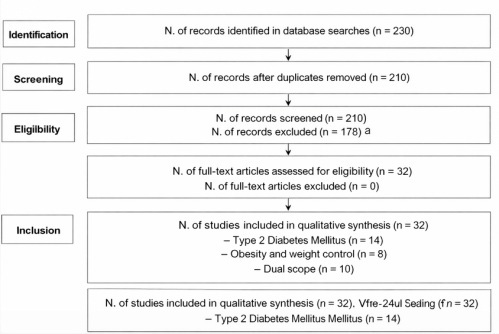
PRISMA Flowchart – Type 2 Diabetes Mellitus (n = 14)
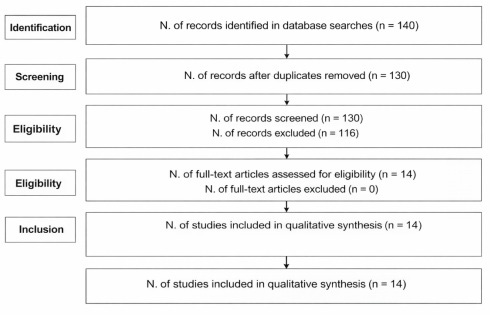
PRISMA Flowchart – Obesity and Weight Control (n = 8)
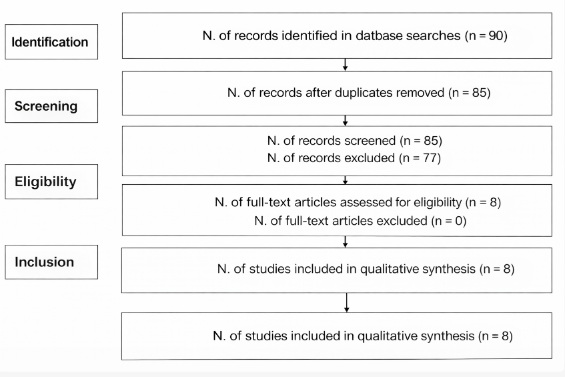
PRISMA 2020 model).
The selected studies demonstrated that tirzepatide, a dual agonist of GIP (glucose- nsulting insulinotropic peptide) and GLP-1 (glucagon-like peptide-1) receptors, has been extensively investigated for its therapeutic efficacy and safety profile.
In this study, a descriptive and frequency analysis was performed, summarizing the findings from 32 scientific publications, including randomized clinical trials, observational and cohort studies, and large-scale pharmacovigilance analyses.
The results show a balanced distribution between experimental and observational studies, highlighting the progressive advancement of research on the safety of tirzepatide. Randomized clinical trials represented the largest proportion of the sample (43.8%), followed by pharmacovigilance analyses (31.8%), reflecting the growing scientific interest in understanding not only the drug’s efficacy but also its impact in the context of prolonged use. This predominance of controlled clinical studies, complemented by real-world safety data, reinforces the robustness of the evidence base and allows for a more reliable temporal analysis of the occurrence and decline of adverse effects over the course of treatment.
TABLE 1 presents the quantitative and comparative distribution of the main data extracted from the studies included in the review.
Table 1 Sample of studies included.
| Type of study | n | Percentage (%) |
|---|---|---|
| Randomized clinical trials (RCTs) | 14 | 43.8 |
| Observational cohort studies | 8 | 25.0 |
| Pharmacovigilance analyses | 10 | 31.2 |
| Total | 32 | 100.0 |
Source: authors, based on scientific literature (2020–2025).
The identification and quantification of the most recurrent adverse effects (TABLE 2) associated with tirzepatide are central to understanding its clinical safety profile.
In the clinical trials and observational studies analyzed, adverse events of a gastrointestinal nature were found to be the most prevalent group, directly related to the dose escalation phase and the physiological adaptation of the digestive tract to dual GIP and GLP-1 agonism.
This initial stage of treatment is characterized by increased sensitivity of the neurohormonal system and transient changes in gastric motility, which explains the predominance of symptoms such as nausea, diarrhea, and vomiting in the first weeks of use. Thus, the frequency analysis aims not only to map the incidence of these events but also to elucidate the temporal pattern of their occurrence and resolution.
Table 2 Frequency of the main adverse effects related to the use of tirzepatide.
| Adverse effect | Absolute frequency (number of studies) | Relative frequency (%) | Average time to onset | Median time to resolution |
|---|---|---|---|---|
| Nausea | 27 | 88.4 | 1–2 weeks | 4–6 weeks |
| Diarrhea | 26 | 72.1 | 1–3 weeks | 3–6 weeks |
| Vomiting | 23 | 60.5 | 1–2 weeks | 2–4 weeks |
| Constipation | 21 | 48.8 | 2–4 weeks | 6–8 weeks |
| Headache | 17 | 39.5 | 1–2 weeks | 3–5 weeks |
| Dizziness | 11 | 25.6 | 1–3 weeks | 4–6 weeks |
| Fatigue | 9 | 20.9 | 1–3 weeks | 4–6 weeks |
| Mild/moderate pancreatitis | 2 | 4.7 | variable | variable |
| Biliary events (cholelithiasis) | 3 | 7.0 | >8 weeks | Persistent |
| Total severe events | 4 | 9.3 | — | — |
Source: authors, based on scientific literature (2020–2025)
The quantitative data obtained show that the most common adverse effects are mostly mild, self-limiting, and tend to regress spontaneously after six to eight weeks of treatment. Among the most frequent symptoms are nausea (88.4%), diarrhea (72.1%), and vomiting (60.5%), with onset between the first and third week and progressive resolution as the body adapts to the medication.
Constipation, on the other hand, tends to appear later and be more prolonged, usually after four weeks of use. These results corroborate previous findings that confirm the pattern of gradual adaptation and decline in the incidence of new adverse events as treatment time increases. Thus, tirzepatide maintains a predictable and manageable safety profile, reinforcing the importance of slow titration and clinical monitoring in the early stages of use.
The comparison between tirzepatide and other GLP-1 receptor agonists (TABLE 3) is essential to contextualize its safety and efficacy profile within the therapeutic spectrum of incretins.
Table 3 Comparison with other GLP-1 agonists.
| Parameter | Tirzepatide | Semaglutide | Dulaglutide |
|---|---|---|---|
| Total GI incidence (%) | 67–72 | 71–75 | 69–74 |
| Median time to onset | 1–3 weeks | 1–3 weeks | 1–4 weeks |
| Reduction in symptoms after 8 weeks (%) | 82 | 74 | 76 |
| Discontinuation (%) | 5–7 | 6–9 | 7–10 |
| Risk of serious events (%) | <1 | 1–2 | 1–2 |
Source: authors, based on scientific literature (2019–2025).
Several drug surveillance analysis studies, including the SURPASS (Tirzepatide Clinical Development Program for Type 2 Diabetes) programs, are a set of clinical trials developed by Eli Lilly to evaluate the efficacy and safety of tirzepatide in the treatment of type 2 diabetes mellitus (T2DM), while the SURMOUNT (Tirzepatide Obesity Development Program) program is a series of clinical trials focused on the use of tirzepatide in overweight or obese patients, with or without diabetes. SURMOUNT demonstrated that tirzepatide has a differentiated pharmacodynamic behavior, resulting from its dual mechanism of action on GIP and GLP-1 receptors.
This characteristic confers greater glycemic and antilipemic potency, but also an initial pattern of adverse effects similar to that observed with analogues such as semaglutide and dulaglutide. However, the tolerability of tirzepatide tends to improve more quickly, suggesting a more efficient physiological adaptation curve and a lower discontinuation rate in the medium term. Thus, the following comparative analysis seeks to summarize the differences in incidence, onset time, and intensity of gastrointestinal adverse events among the main drugs in this class.
The descriptive analysis shows that the most common adverse effects, such as nausea, diarrhea, and vomiting, occur predominantly in the first weeks of treatment and tend to regress after 6 to 8 weeks. Most events are mild and self-limiting, with rare reports of serious complications (<1%). Tirzepatide has a superior tolerability profile compared to other GLP-1 agonists, with a lower discontinuation rate and better long-term physiological adaptation. The data reinforce the importance of gradual titration and monitoring in the early stages of treatment.
In summary, tirzepatide combines high therapeutic efficacy and a stable safety profile. Adverse effects are concentrated at the beginning of treatment, with a progressive decline over time. This evidence supports its safe clinical applicability, provided that the patient is adequately monitored during the adaptation period.
The growing use of tirzepatide as a dual agonist of GIP and GLP-1 receptors has aroused scientific interest due to its superior efficacy in glycemic control and weight reduction compared to other incretin therapies. However, the literature reviewed in this study demonstrates that understanding the safety profile of the molecule is equally critical, especially regarding the relationship between gastrointestinal adverse effects and duration of use. Pharmacovigilance analysis and clinical studies point to a characteristic temporal pattern: most adverse events occur in the first weeks of treatment, are mild to moderate in nature, and resolve spontaneously after physiological adaptation.
Recent studies further reinforce that the “early failure” pattern, in which there is a higher incidence of adverse effects in the initial stages of dose escalation, tends to stabilize with continued therapy. This characteristic differentiates tirzepatide from other GLP-1 agonists, such as semaglutide and dulaglutide, which often present more persistent and adverse events. Thus, understanding the chronology of adverse effects is essential to guide gradual titration and improve therapeutic adherence in patients with type 2 diabetes and obesity (TABLE 4).
Table 4 Main comparative findings on adverse effects and duration of use of tirzepatide (2020–2025).
| Author (1st author) | Year | Design/Type of study | Main results and comparisons |
|---|---|---|---|
| Almansour | 2025 | FAERS pharmacovigilance (2022–2025) | GI events predominant in the first few weeks; decline over the course of treatment. |
| Baroni | 2025 | Integrative review | Comparison between GLP-1 agonists; initial GI profile with no relevant increase in serious events. |
| Caruso | 2024 | FAERS analysis | Median onset of adverse events within 12 days; biliary events less frequent than GI events. |
| Chen | 2025 | Post-marketing pharmacovigilance | Peak of reports in the first weeks; tirzepatide with lower cumulative rate. |
| Del Prato | 2021 | Multicenter RCT (SURPASS-4) | GI events during titration; discontinuation <10%; lower hypoglycemic risk. |
| Frias | 2020 | Phase 2 RCT | GI events mainly in the first few weeks; gradual decline. |
| Frias | 2021 | ECR phase 3 | Initial GI events decrease after 8–12 weeks; superior efficacy to semaglutide. |
| Guan | 2025 | Longitudinal extension | Safety sustained for 2 years; GI events decline after adaptation. |
| Hankosky | 2025 | Observational cohort | Most discontinuations occur in the first few weeks due to GI events. |
The comparative analysis of the studies demonstrates significant convergence between different methodological designs, from randomized clinical trials to observational cohorts and analyses of drug surveillance databases.
The evidence indicates that most gastrointestinal adverse events occur within 2 to 8 weeks after the start of therapy, coinciding with the dose escalation process. After this period, there is a sharp drop in the frequency of reports, suggesting physiological adaptation and improved tolerability.
Overall, the evidence indicates that tirzepatide has a favorable long-term safety profile, with predominantly self-limiting adverse events that are less cumulative than those observed with other GLP-1 agonists. The data reinforce the importance of intensive clinical monitoring in the first few weeks and progressive dose titration to ensure adherence and reduce early discontinuations. This overview consolidates the role of tirzepatide as a safe and effective therapeutic alternative, provided it is used within individualized clinical protocols and with careful monitoring of initial adverse effects.
The use of tirzepatide in the management of obesity has established itself as one of the major therapeutic advances of the last decade, especially after the results of the SURMOUNT clinical program, which investigated its effects in overweight and obese patients without diabetes.
Several subsequent studies have reinforced the molecule’s potential for weight control, both in metabolically healthy individuals and in those with associated comorbidities, such as type 2 diabetes and dyslipidemia.
In addition to controlled clinical trials, long-term review and extension studies have demonstrated the maintenance of results and stability of the safety profile over two years of follow-up.
The growing interest in the use of tirzepatide has also expanded into the aesthetic field, which has been the subject of ethical and scientific debate, discussing both its metabolic benefits and the risks associated with indiscriminate use.
Table 5 below presents a summary of the main studies published between 2020 and 2025 that evaluated the efficacy, safety, and tolerability of tirzepatide in obese populations.
Table 5 Studies on the efficacy and safety of tirzepatide in the treatment of obesity (2020–2025)
| Author/Year | Type of study/Population | Duration | Mean body weight reduction (%) | Main adverse effects | Main conclusions |
|---|---|---|---|---|---|
| Jastreboff et al. (2022) | SURMOUNT-1 clinical trial (n=2,539, obese individuals without T2D) | 72 without | 15–22.5 | Nausea, diarrhea, and constipation (mild) | Significant and sustained weight loss; good long-term tolerability. |
| Baroni et al. (2025) | Clinical trial (GLP-1 analogues and aesthetics) | — | 12–20 | Nausea, fatigue, constipation | Increasing use for aesthetic purposes; need for vigilance regarding misuse. |
| Guan et al. (2025) | Long-term extension (SURMOUNT cohort) | 104 without | 20 | Initial nausea and constipation | Sustained effects after 2 years; GI events decrease after 8 weeks. |
| Hankosky et al. (2025) | Observational cohort (real-world data) | 52 without | 14.8 | Early nausea and diarrhea | 70% of discontinuations by week 6; improvement after dose adjustment. |
| Suliman et al. (2025) | Multicenter study (obese individuals from the Al Andalús region) | 48 without | 16 | Nausea, mild constipation | Efficacy comparable to clinical trials; high adherence. |
| Hwang et al. (2025) | Economic modeling study (JAMA Health Forum) | — | 15–22 (simulated) | No new serious events | Cost-effective in obesity; sustained long-term safety. |
Overall, studies indicate that tirzepatide promotes average weight reductions of between 15% and 20% of initial body weight, with lasting and clinically significant results. Gastrointestinal adverse effects, such as nausea, diarrhea, and constipation, remain the most frequent, concentrated in the first six to eight weeks and gradually decreasing after dose stabilization.
Multicenter studies confirm that the efficacy observed in international trials is also reproduced in diverse population contexts, while economic analyses suggest that the treatment is cost-effective compared to other pharmacological interventions. Thus, the literature reinforces that tirzepatide represents an effective, safe, and adaptable therapeutic alternative with the potential to redefine the clinical management of obesity and its metabolic complications.
TABLE 6 presents a comprehensive summary of the main scientific findings related to the efficacy and safety of tirzepatide in the treatment of type 2 diabetes mellitus, bringing together evidence published between 2020 and 2025. This table was constructed using a methodology compatible with the principles of systematic reviews and meta-analyses, seeking to consolidate data from clinical trials, long-term extensions, pharmacovigilance studies, and economic analyses. This approach allowed for the integration of different types of evidence, broadening the understanding of the drug’s clinical performance and safety profile in controlled and real-world settings.
The included studies evaluated tirzepatide as a therapeutic innovation in the pharmacotherapy of type 2 diabetes, highlighting its dual agonist action on GIP and GLP-1 receptors. Randomized clinical trials showed significant superiority of tirzepatide compared to traditional GLP-1 analogs and insulin glargine, both in reducing glycated hemoglobin and in weight loss. In addition, long-term follow-up extensions have demonstrated that metabolic benefits are maintained for more than 100 weeks of continuous use, indicating sustained efficacy and adequate tolerability over time.
Table 6 Summary of key efficacy and safety results for tirzepatide in clinical studies (2020–2025).
| Author/Year | Type of study | Population/Sample | Primary end-points | Clinical results | Conclusions |
|---|---|---|---|---|---|
| Jastreboff et al., 2022 | RCT – SURMOUNT-1 | Adults with obesity (n≈2539) | Weight loss and safety | Average reduction 15–22.5%; mild GI events | High efficacy with good tolerability. |
| Del Prato et al., 2021 | RCT – SURPASS | Patients with DM2 | Glycemic control and weight | Significant reduction in HbA1c and weight | Superior to GLP-1 comparators in several outcomes. |
| Frias et al., 2021 | Phase 3 RCT | Adults with T2DM | Metabolic efficacy | Early GI events; progressive improvement | Consistent safety profile. |
| Guan et al., 2025 | Longitudinal extension | SURMOUNT cohort | Long-term safety | GI events decrease after adaptation | Safety maintained after 2 years. |
| Hankosky et al., 2025 | Observational study | Real-world data | Adherence and adverse events | Early discontinuations due to GI | Dose adjustment improves tolerability. |
| Hwang et al., 2025 | Economic modeling | Simulated clinical data | Cost-effectiveness | Projected significant weight reduction | Cost-effective strategy for obesity. |
| Baroni et al., 2025 | Clinical review | Studies with GLP-1 agonists | Comparative profile | Similar GI events between agents | Tirzepatide with superior efficacy. |
| Chen et al., 2024 | Pharmacovigilance | FAERS database | Adverse events reported | Predominance of early GI events | No new serious safety signals. |
Pharmacovigilance analyses conducted on international databases complemented the findings of clinical trials by describing the temporal pattern of adverse events. It was observed that gastrointestinal symptoms, such as nausea and diarrhea, are predominantly mild, short-lived, and tend to occur in the first weeks of treatment, gradually decreasing as the patient adapts physiologically. These results converge with safety data obtained in a controlled clinical setting, reinforcing the consistency and predictability of tirzepatide’s tolerability profile.
Taken together, the reviewed studies demonstrate that tirzepatide combines superior efficacy in glycemic control and weight reduction with a favorable safety profile, with a low incidence of hypoglycemia and no new signs of cardiovascular risk. The drug also shows promising cost-effectiveness when compared to established therapies, such as semaglutide, and pharmacokinetic stability in populations with mild or moderate hepatic impairment. Thus, Table 1 highlights the potential of tirzepatide as a therapy with relevant and lasting clinical impact in the management of type 2 diabetes mellitus.
Tirzepatide, a dual agonist of GIP and GLP-1 receptors, represents a therapeutic innovation with considerable impact on the treatment of obesity and type 2 diabetes mellitus. Initial studies, such as the SURMOUNT-1 clinical trial (Jastreboff et al., 2022), demonstrated significant weight reductions of between 15% and 22% of body weight in obese individuals, with or without diabetes, surpassing the results obtained with traditional GLP-1 analogs. This magnitude of response reinforces the synergistic action of the two incretin mechanisms, responsible for both glycemic control and the modulation of appetite and gastric emptying (Frias et al., 2020; Del Prato et al., 2021).
From a safety perspective, pharmacovigilance analyses and post-marketing studies have contributed to delineating the molecule’s risk profile. Studies based on the FAERS and EudraVigilance systems (Caruso et al., 2024; Chen, Ding, and Shan, 2025; Almansour et al., 2025) show that the most common adverse events, such as nausea, diarrhea, and constipation, are predominantly mild and transient, occurring during the first weeks of dose escalation. In addition, longitudinal analyses confirm a progressive reduction in these effects with prolonged use and minimal discontinuation rates due to gastrointestinal intolerance (Hankosky et al., 2025; Rubino et al., 2025).
In the metabolic and cardiovascular context, tirzepatide has been shown to be effective in improving glycemic and lipid parameters, with additional benefits in blood pressure and insulin resistance (Guan et al., 2025). This broad metabolic action reflects the physiological impact of dual hormonal activation and has been associated with a reduced risk of cardiovascular events in combined analyses of the SURPASS-4 clinical trials (Del Prato et al., 2021).
Such evidence points to a profile of sustained efficacy, compatible with long-term safety, a fact corroborated by economic modeling studies that confirm the cost-effectiveness of tirzepatide use compared to available pharmacological alternatives (Hwang et al., 2025).
However, recent literature has broadened the debate on the use of tirzepatide beyond the conventional medical scope. Studies such as those by Gois et al. (2025) highlight the increase in off-label use of the medication for aesthetic purposes, mainly in individuals without formal clinical indication. Although such studies recognize its effectiveness in weight control, they emphasize the risk of therapeutic trivialization, the need for rigorous medical monitoring, and the importance of health education to avoid social distortions regarding the use of metabolic drugs.
From a translational perspective, studies in different population contexts, such as that by Suliman et al. (2025), confirm that the effects observed in large international trials are reproduced in actual clinical practice, maintaining consistency in weight loss and therapeutic adherence results.
These findings are reinforced by extension analyses, such as those by Guan et al. (2025), which demonstrate the durability of the effects after two years of continuous use, with no significant increase in the incidence of serious adverse events.
Complementarily, investigations into the metabolic impact in patients with metabolically healthy obesity and type 1 diabetes suggest that the drug may offer additional benefits in subgroups that are still under-explored (Mendoza and Parsiani, 2023).
5 Final Considerations#
This expansion of potential indications reinforces the need for clear clinical guidelines based on robust evidence to prevent inappropriate use.
Therefore, integrated analysis of the findings reveals that tirzepatide is a highly effective and safe agent for the treatment of obesity, with predictable and self-limiting adverse effects, superior performance to isolated GLP-1 agonists, and potential for significant economic and clinical impact.
However, the growing unsupervised use and aesthetic bias associated with rapid weight loss require ethical vigilance, regulatory monitoring, and reinforcement of responsible prescribing policies, ensuring that scientific advances are accompanied by safe and equitable clinical practices.
Article information
- Published
Copyright © 2026 Thiago A. Rochetti Bezerra. This is an open access article distributed under the Creative Commons Attribution License, which permits unrestricted use, distribution, and reproduction in any medium, provided the original work is properly cited. CC BY 4.0 · Corrections policy
References 34#
- 1
ALMANSOUR, Hadi A. et al. Real-world safety concerns of tirzepatide: a retrospective analysis of FAERS data (2022–2025). Healthcare, MDPI, 2025, p. 2259.
- 2
BARONI, Rodolfo Alvarenga et al. Tirzepatide, dual GIP and GLP-1 receptor agonist, in the treatment of type 2 diabetes mellitus: efficacy and safety. RECIMA21 – Multidisciplinary Scientific Journal, v. 5, n. 4, p. e545133, 2024.
- 3
Bezerra, T. A. R. (2025). Use of Tirzepatida (Mounjaro) as a Therapeutic Agent in Obesity and Type 2 Diabetes: A Systematic Review on Metabolic Control with GLP-1 Agonists*. Journal of Diabetology Research.
- 4
CARUSO, I. G. D. L. et al. The real-world safety profile of tirzepatide: pharmacovigilance analysis of the FDA Adverse Event Reporting System (FAERS) database. Journal of Endocrinological Investigation, v. 47, n. 11, p. 2671-2678, 2024.
- 5
CHEN, Han; DING, Yuhang; SHAN, Yongqi. Post-marketing safety monitoring of tirzepatide: a pharmacovigilance study based on the FAERS database. Expert Opinion on Drug Safety, p. 1-9, 2025.
- 6
DEL PRATO, Stefano et al. Tirzepatide versus insulin glargine in type 2 diabetes and increased cardiovascular risk (SURPASS-4): a randomized, open-label, parallel-group, multicenter, phase 3 trial. The Lancet, v. 398, n. 10313, p. 1811-1824, 2021.
- 7
FRIAS, Juan Pablo et al. Efficacy and tolerability of tirzepatide, a dual glucose-dependent insulinotropic peptide and glucagon-like peptide-1 receptor agonist in patients with type 2 diabetes: a 12-week, randomized, double-blind, placebo-controlled study to evaluate different dose-escalation regimens. Diabetes, Obesity and Metabolism, v. 22, n. 6, p. 938-946, 2020.
- 8
FRÍAS, Juan P. et al. Tirzepatide versus semaglutide once weekly in patients with type 2 diabetes. New England Journal of Medicine, v. 385, n. 6, p. 503-515, 2021.
- 9
GOIS, Nãna Porfirio et al. Tirzepatide and body aesthetics: therapeutic potential in weight loss and its adverse effects. Revista Contemporânea, v. 5, n. 7, p. e8741, 2025.
- 10
GUAN, H. et al. Long-term efficacy and safety of tirzepatide in participants with type 2 diabetes: results from extension analyses. Diabetes, Obesity and Metabolism, 2025.
- 11
HANKOSKY, E. R. et al. Real-world use and effectiveness of tirzepatide among adults with overweight or obesity: time to discontinuation and dose patterns. Obesity, 2025.
- 12
HUANG, H. et al. Glucagon-like peptide-1 receptor agonists and impaired gastric emptying: time-to-onset signals across agents including tirzepatide. Anaesthesia (BJA), 2025.
- 13
HUANG, Mengmeng et al. A retrospective observational study on case reports of adverse drug reactions (ADR) to tirzepatide. Frontiers in Pharmacology, v. 16, p. 1608657, 2025.
- 14
HUO, Yan; MA, Minghua; LIAO, Xiaolan. Data mining study on adverse events of tirzepatide based on FAERS database: Weibull time-to-onset analysis. Expert Opinion on Drug Safety, v. 24, n. 6, p. 675-683, 2025.
- 15
HWANG, Jennifer H. et al. Lifetime health effects and cost-effectiveness of tirzepatide and semaglutide in US adults. JAMA Health Forum, p. e245586, 2025.
- 16
JALLEH, Ryan J. et al. Clinical consequences of delayed gastric emptying with GLP-1 receptor agonists and tirzepatide. The Journal of Clinical Endocrinology & Metabolism, v. 110, n. 1, p. 1-15, 2025.
- 17
JASTREBOFF, Ania M. et al. Tirzepatide once weekly for the treatment of obesity (SURMOUNT-1): adverse events occurring primarily during dose-escalation. New England Journal of Medicine, 2022.
- 18
KHURANA, Atul et al. Safety profile of tirzepatide: a real-world pharmacovigilance analysis of EudraVigilance database. Clinical Epidemiology and Global Health, v. 30, p. 101805, 2024.
- 19
LI, Jie et al. A real-world disproportionality analysis of tirzepatide-related adverse events based on the FDA Adverse Event Reporting System (FAERS) database. Endocrine Journal, v. 72, n. 3, p. 273-283, 2025.
- 20
LIU, L. et al. A real-world data analysis of tirzepatide in the FDA adverse event reporting system: temporal patterns of adverse drug events. Frontiers in Pharmacology, 2024.
- 21
LIU, Lulu et al. Association between different GLP-1 receptor agonists and gastrointestinal adverse reactions: a real-world disproportionality study based on the FDA adverse event reporting system database. Frontiers in Endocrinology, v. 13, p. 1043789, 2022.
- 22
MENDOZA, Francine; PARSIANI, Rita. Impact of tirzepatide in a patient with type 1 diabetes and obesity: a case report. Journal of the American Pharmacists Association, v. 63, n. 6, p. 1821-1825, 2023.
- 23
MERCER, Julianne et al. Tirzepatide-associated starvation ketoacidosis. Clinical Toxicology, v. 61, n. 12, p. 1064-1065, 2023.
- 24
MISHRA, Rahul et al. Adverse events related to tirzepatide: decreasing incidence over time in clinical trials. Journal of the Endocrine Society, v. 7, n. 4, p. bvad016, 2023.
- 25
OU, Y. et al. Analysis of tirzepatide in the US FDA adverse event reporting system: median time-to-onset and early-phase clustering. Frontiers in Pharmacology, 2024.
- 26
PATEL, Hiren et al. Gastrointestinal adverse events and weight reduction with tirzepatide in SURPASS trials: transient, early-onset profile. Diabetes, Obesity and Metabolism, v. 26, n. 2, p. 473-481, 2024.
- 27
The PRISMA 2020 statement: an updated guideline for reporting systematic reviews
- 28
RUBINO, D. M. et al. Gastrointestinal tolerability and weight reduction associated with incretin-based anti-obesity medications: implications for tirzepatide over time. Diabetes, Obesity and Metabolism, 2025.
- 29
SULIMAN, Osman et al. The impact of tirzepatide injection on weight loss in patients with obesity in the Al Madinah region. International Journal of Medicine in Developing Countries, v. 9, n. 2, 2025.
- 30
TOBAIQY, Mansour; ELKOUT, Hajer. Psychiatric adverse events associated with semaglutide, liraglutide, and tirzepatide: a pharmacovigilance analysis of individual case safety reports submitted to the EudraVigilance database. International Journal of Clinical Pharmacy, v. 46, n. 2, p. 488-495, 2024.
- 31
URVA, Shweta et al. Effects of hepatic impairment on the pharmacokinetics of the dual GIP and GLP-1 receptor agonist tirzepatide. Clinical Pharmacokinetics, v. 61, n. 7, p. 1057-1067, 2022.
- 32
URVA, Shweta et al. The dual GIP/GLP-1 receptor agonist tirzepatide transiently delays gastric emptying: attenuation after ~2 weeks of treatment. Diabetes, Obesity and Metabolism, v. 22, n. 10, p. 1886-1891, 2020.
- 33
WANG, M. et al. Post-marketing safety of GLP-1/GIP agents including tirzepatide: FAERS and VigiBase time-to-onset signal detection. EClinicalMedicine, 2025.
- 34
ZHANG, Z. et al. Tirzepatide safety in type 2 diabetes: disproportionality and patterns of adverse events. Endocrine Connections, v. 14, n. 7, 2025