Full Text Hide / show
Introduction
Foodborne pathogenic bacteria remain a major public health concern due to their substantial impact on food safety, disease burden, and economic losses worldwide (WHO, 2015; Newell et al., 2010). Contamination of food products with pathogens such as Salmonella enterica, pathogenic Escherichia coli, and Listeria monocytogenes continues to be associated with outbreaks and sporadic cases, highlighting the need for effective control strategies across the food chain (Scallan et al., 2011; Havelaar et al., 2015). These issues are particularly critical in agricultural production systems, where contamination can occur at pre-harvest and post-harvest stages, affecting the overall safety of the food supply chain.The growing prevalence of antimicrobial resistance (AMR) among foodborne and food-associated bacteria further complicates prevention and treatment, and reduces the effectiveness of conventional antimicrobial interventions (WHO, 2014).
In parallel, biofilm formation on food-contact surfaces and processing equipment represents a persistent challenge, as biofilms can protect bacterial cells from sanitizers and other stressors, facilitating survival and cross-contamination in food environments (Donlan, 2002; Bridier et al., 2011). Biofilm-embedded cells can exhibit markedly increased tolerance to antimicrobials compared with planktonic cells, making eradication difficult once mature biofilms are established (Stewart & Costerton, 2001; Flemming et al., 2016). In this context, bacteriophages have gained renewed attention as natural biocontrol agents in food safety applications. Lytic bacteriophages are bacterial viruses that can specifically infect and kill target bacteria, and their host specificity can help reduce undesirable impacts on beneficial microbiota (Kutter & Sulakvelidze, 2005; Garcia et al., 2008).
Several studies have demonstrated the feasibility of applying phages to reduce bacterial loads in different food matrices, including produce, meat, and dairy products, as well as on food-contact surfaces (Hagens & Loessner, 2010; Sillankorva et al., 2012). Importantly, phage therapy approaches have also been explored for biofilm control, including disruption of extracellular polymeric substances (EPS) via phage-associated depolymerases and enhanced penetration into biofilm structures (Azeredo & Sutherland, 2008; Abedon, 2019). This review provides an overview of bacteriophage-based biocontrol strategies targeting foodborne pathogenic bacteria, with a particular focus on antibiofilm potential in food systems. Current applications, underlying mechanisms, practical limitations, and futureperspectivesofphage-basedinterventionsarediscussedtosupporttheirrationalintegrationintofoodsafetymanagement. LITERATURE REVIEW METHODOLOGY Relevant literature was collected from peer-reviewed journals using scientific databases such as PubMed, Scopus, and Web of Science.
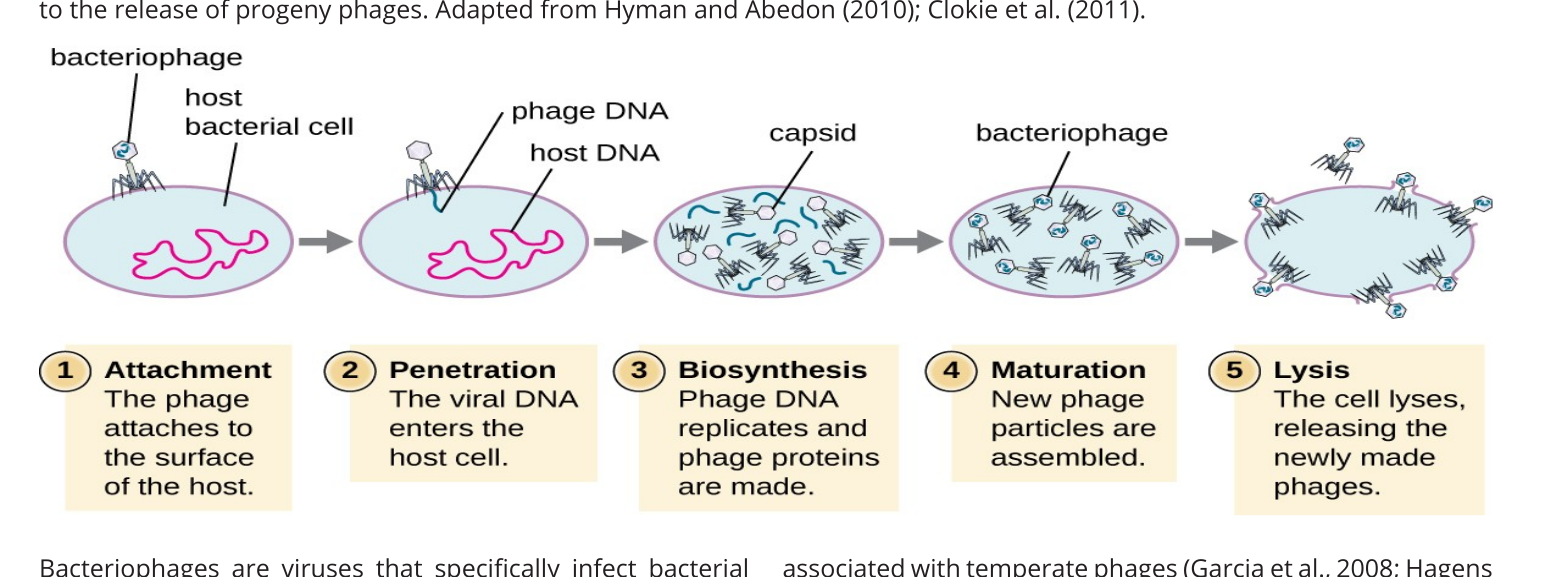
Studies focusing on bacteriophage applications in food systems and biofilm control were selected and analyzed. Figure 1. Schematic illustration of the lytic bacteriophage infection cycle. The figure demonstrates phage adsorption to the bacterial cell surface, genome injection, replication of phage components, assembly of new virions, and host cell lysis leading to the release of progeny phages. Adapted from Hyman and Abedon (2010); Clokie et al. (2011). Bacteriophages are viruses that specifically infect bacterial cells and are considered the most abundant biological entities in nature. They are ubiquitously distributed in diverse environments, including soil, water, food products, and foodprocessing facilities, where their bacterial hosts are present (Clokieetal.,2011;Abedon,2017).Structurally,bacteriophages consist of nucleic acid—either DNA or RNA—encapsulated within a protein coat, and many phages possess additional tail structures that facilitate attachment and genome injection into host cells.
Based on their life cycles, bacteriophages are broadly classified into lytic and lysogenic (temperate) phages. Lytic bacteriophages infect susceptible bacterial cells, hijack the host’s replication machinery to produce progeny phages, and ultimately cause cell lysis and release of newly formed virions. In contrast, lysogenic phages integrate their genome into the bacterial chromosome or persist as plasmids, replicating passively with the host cell without immediate lysis (Calendar, 2006; Hyman & Abedon, 2010). For food safety applications, strictly lytic phages are preferred, as they ensure rapid bacterial killing and avoid the risk of horizontal gene transfer associated with temperate phages (Garcia et al., 2008; Hagens & Loessner, 2010). One of the most significant advantages of bacteriophages in food applications is their high host specificity.
Phages typically infect only specific bacterial species or strains, which allows targeted elimination of foodborne pathogens without disrupting beneficial microbiota or altering the sensory and nutritional properties of food products (Kutter & Sulakvelidze, 2005; Moye et al., 2018). This specificity contrasts with broadspectrum antibiotics and chemical sanitizers, which may exert non-selective effects and contribute to microbial imbalance. Bacteriophages are also considered biologically safe for use in food systems. They naturally occur in many foods consumed by humans and have a long history of safe exposure. Several phage-based products have been approved by regulatory agencies for use in food and food-processing environments, supporting their status as safe biocontrol agents (Greer, 2005; FDA, 2016).
Moreover, phages are self-limiting, as their replication depends on the presence of susceptible bacterial hosts, reducing the likelihood of uncontrolled persistence in food matrices (Hagens & Loessner, 2010). In addition to their bactericidal activity against planktonic cells, certain bacteriophages encode enzymes such as endolysins and polysaccharide depolymerases, which can degrade bacterial cell walls and extracellular polymeric substances. These enzymes contribute to enhanced penetration into bacterial aggregates and biofilms, increasing the relevance of bacteriophages for controlling biofilm-associated contamination in food environments (Azeredo & Sutherland, 2008; Abedon, 2019). Collectively, these characteristics highlight bacteriophages as promising and versatile tools for targeted bacterial control in food safety applications. Thesecharacteristicsmakebacteriophagesparticularlysuitable for application in agricultural and food production systems.
FOODBORNE PATHOGENIC BACTERIA AND BIOFILM FORMATION Major Foodborne Pathogenic Bacteria Foodborne pathogenic bacteria are responsible for a wide range of gastrointestinal and systemic infections worldwide, posing serious risks to public health and food safety. Among the most frequently reported pathogens associated with foodborne outbreaks are Salmonella enterica, pathogenic Escherichia coli (including EHEC and ETEC strains), and Listeria monocytogenes (Scallan et al., 2011; Newell et al., 2010). These microorganisms can contaminate raw and processed foods at various stages of the food production chain, including primary production, processing, storage, and distribution. Salmonella spp. are commonly associated with poultry, eggs, meat, and fresh produce, and remain a leading cause of bacterial foodborne illness globally (Havelaar et al., 2015).
Pathogenic E. coli strains are frequently linked to undercooked meat, raw vegetables, and contaminated water, and are known for their low infectious dose and potential to cause severe disease (Kaper et al., 2004). Listeria monocytogenes, although less prevalent, is of particular concern due to its ability to grow at refrigeration temperatures and cause lifethreatening infections, especially in immunocompromised individuals, pregnant women, and the elderly (Swaminathan & Gerner-Smidt, 2007). In addition to classical foodborne pathogens, opportunistic and emerging food-associated bacteria have been increasingly detected in food products and food-processing environments. These organisms are of growing concern due to their multidrug-resistant profiles and ability to persist under adverse environmental conditions (Carvalheira et al., 2017; EFSA, 2021).
Their presence in food systems highlights the need for effective control strategies beyond conventional antimicrobial approaches. Biofilm Formation in Food Environments Biofilms are structured microbial communities in which bacterial cells are embedded within a self-produced extracellular polymeric substance (EPS) matrix composed of polysaccharides, proteins, and extracellular DNA. Biofilm formation is a multistep process involving initial surface attachment, microcolony formation, maturation, and eventual dispersal (Costerton et al., 1995; Donlan, 2002). In foodrelated environments, biofilms can readily develop on a wide range of surfaces, including stainless steel, plastic, rubber, and glass commonly used in food-processing equipment. The formation of biofilms provides bacteria with significant survival advantages. Cells within biofilms exhibit increased tolerance to disinfectants, antibiotics, desiccation, and other environmental stresses compared with their planktonic counterparts (Stewart & Costerton, 2001; Flemming et al., 2016).
As a result, biofilms act as persistent reservoirs of contamination, facilitating recurrent food contamination and cross-contamination during processing and handling (Bridier et al., 2011). Foodborne pathogens such as Salmonella, Listeria monocytogenes, and E. coli have been shown to readily form biofilms on food-contact surfaces, contributing to their longterm persistence in food-processing facilities (Giaouris et al., 2014). Moreover, mixed-species biofilms are frequently encountered in food environments, further enhancing resistance and complicating control measures (Flemming & Wuertz, 2019). Implications of Biofilms for Food Safety The presence of biofilms in food systems represents a major challenge for food safety management. Conventional cleaning and sanitation procedures often fail to completely remove biofilms, allowing bacterial cells to survive and recolonize surfaces (Srey et al., 2013).
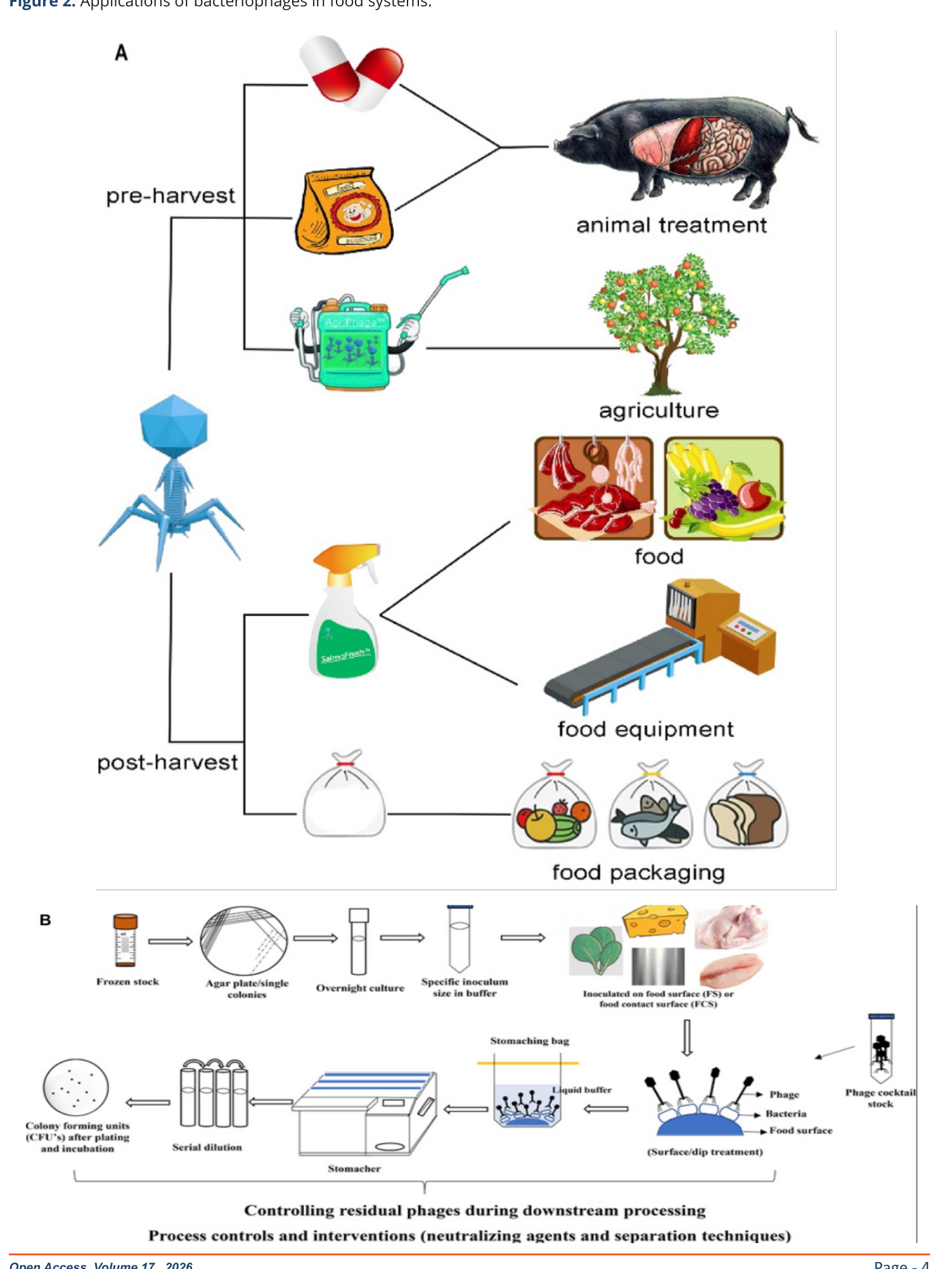
This persistent contamination can lead to reduced shelf life, increased risk of foodborne illness, and significant economic losses. Given the limitations of traditional antimicrobial strategies, alternativeapproachescapableoftargetingbiofilm-associated bacteria are urgently needed. The ability of bacteriophages to infect bacteria within biofilms, combined with their potential to degrade biofilm matrices, positions them as promising tools for mitigating biofilm-related contamination in food systems (Azeredo & Sutherland, 2008; Sillankorva et al., 2012). Understanding the role of biofilms in food environments is therefore essential for evaluating and optimizing phagebased biocontrol strategies. Applications of Bacteriophages Across the Agricultural and Food Production Chain. Figure 2. Applications of bacteriophages in food systems. (A)Overview of bacteriophage applications in food systems, including animal treatment, agricultural use, and post-harvest control to reduce foodborne pathogenic bacteria in meat and other food products.
(B)Schematic representation of phage-based intervention workflows in food processing systems, illustrating bacterial isolation, phage application, and control of residual phages during downstream processing. Adapted from Hagens and Loessner (2010); Moye et al. (2018). The application of bacteriophages in food systems has gained increasing interest as an effective and natural approach to control foodborne pathogenic bacteria. Phages can be applied at different stages of the food production chain, including raw food treatment, food processing environments, and food-contact surfaces, with the aim of reducing bacterial contamination and enhancing food safety (Hagens & Loessner, 2010; Moye et al., 2018). Application of Bacteriophages in Raw and Processed Foods Bacteriophages have been successfully applied to a wide range of food matrices to reduce populations of pathogenic bacteria.
In raw foods such as meat, poultry, seafood, and fresh produce, phage treatment has demonstrated significant reductions in bacterial counts without adversely affecting food quality, sensory properties, or native microbiota (Greer, 2005; Garcia et al., 2008). For example, phages targeting Salmonella and pathogenic E. coli have been applied to poultry carcasses and fresh vegetables, resulting in substantial reductions in bacterial load during storage (Leverentz et al., 2003; Abuladze et al., 2008). Processed foods, including ready-to-eat products and dairy items, are also vulnerable to post-processing contamination. Phage application at this stage can serve as an additional safety barrier to prevent pathogen growth during storage and distribution. Several studies have reported effective control of Listeria monocytogenes in ready-to-eat meat and cheese products following phage treatment (Guenther et al., 2009).
Bacteriophage Application in Food-Processing Environments Beyond direct food treatment, bacteriophages have been explored for controlling bacterial contamination in foodprocessing environments. Equipment surfaces, conveyor belts, and storage containers can harbor persistent bacterial populations that serve as sources of cross-contamination. Phage-based interventions applied to food-contact surfaces have shown potential in reducing surface-associated pathogens, particularly when used as complementary tools alongside conventional sanitation procedures (Sillankorva et al., 2012; Endersen et al., 2014). The specificity of bacteriophages allows targeted elimination of problematic pathogens while minimizing disruption of non-target microorganisms. This characteristic is particularly advantageous in complex food-processing environments, where indiscriminate antimicrobial treatments may not be desirable (Hagens & Loessner, 2010). Regulatory Acceptance and Commercial Phage Products The practical application of bacteriophages in food systems has been supported by regulatory approvals in several countries.
Certain phage preparations have been approved for use as food additives or processing aids, reinforcing their safety and feasibility in food safety management (FDA, 2016; EFSA,2012).Commercialphageproductshavebeendeveloped to target specific foodborne pathogens, particularly Listeria monocytogenes and Salmonella spp., and are currently used in meat and poultry industries in some regions. Table 1. Application of bacteriophages against foodborne pathogens in different food matrices. Reference Observed effect Application stage Food matrix Target pathogen Leverentz et al., 2003 Reduction of bacterial counts during storage Post-slaughter treatment Poultry meat Salmonella enterica Abuladze et al., 2008 Significant decrease in contamination levels Surface application Fresh produce Pathogenic E. coli Guenther et al., 2009 Suppression of pathogen growth Post-processing Ready-to-eat meat Listeria monocytogenes Soni & Nannapaneni, 2010 Reduction in viable counts Storage stage Cheese Listeria monocytogenes Sillankorva et al., 2012 Decreased surface contamination Environmental sanitation Food-contact surfaces Salmonella spp.
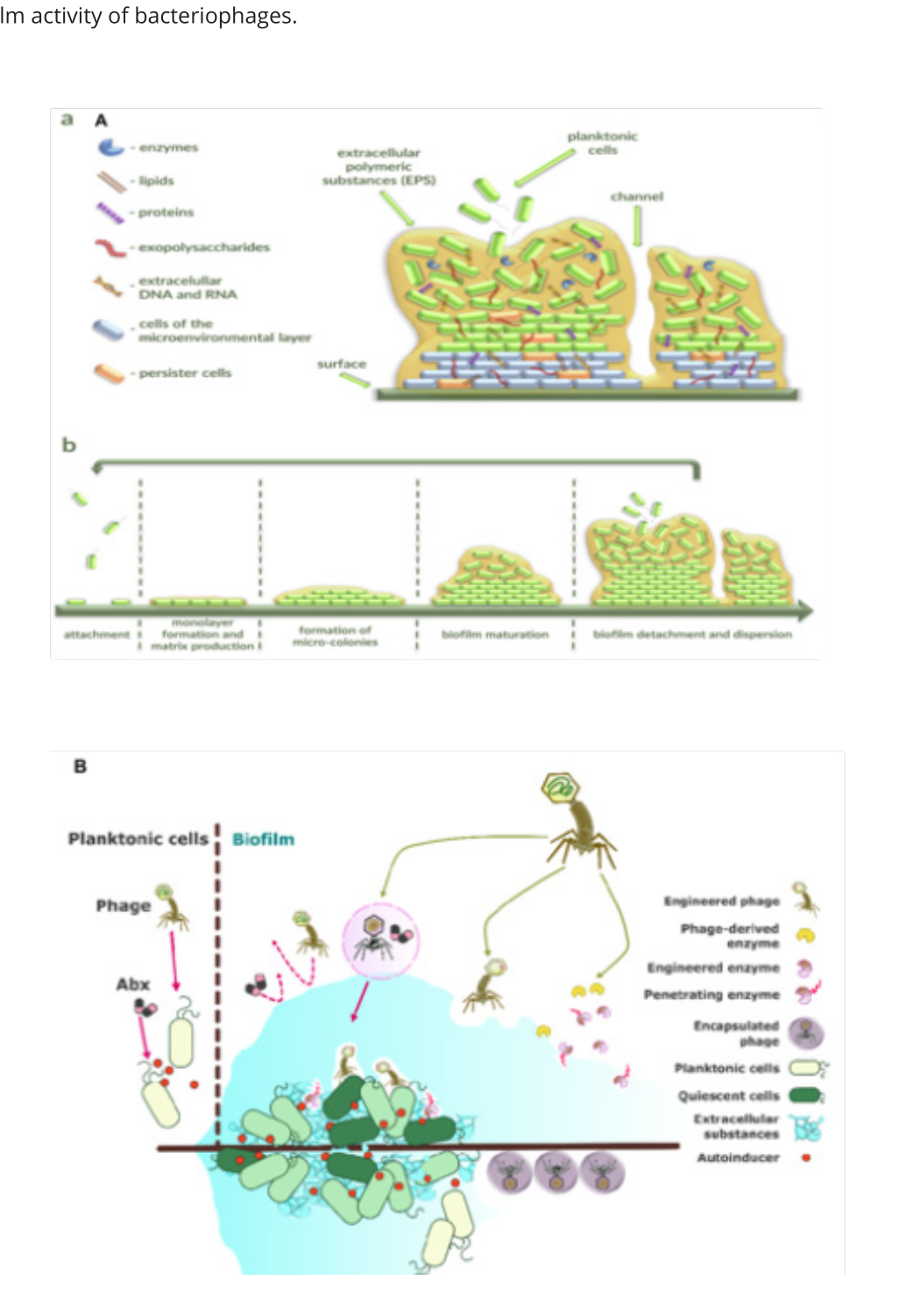
Table 2. Advantages of bacteriophage application in food systems. Feature Description Host specificity Targets specific pathogens without affecting beneficial microbiota Natural origin Widely present in food and the environment Minimal sensory impact Does not alter taste, texture, or appearance of foods Self-limiting activity Replication depends on presence of host bacteria Compatibility Can be combined with other food safety interventions Antibiofilm Activity of Bacteriophages In agricultural and food-processing environments, biofilm-associated contamination represents a major challenge to food safety due to the enhanced resistance of biofilm-embedded bacteria to disinfectants, antibiotics, and environmental stresses. Figure 3. Antibiofilm activity of bacteriophages. (A) Structural organization and developmental stages of bacterial biofilms, illustrating the extracellular polymeric substance (EPS) matrix, microcolony formation, biofilm maturation, and dispersion phases that contribute to enhanced bacterial persistence and resistance.
(B) Mechanisms of bacteriophage-mediated antibiofilm activity, including phage adsorption to bacterial cells, bacterial cell lysis, degradation of extracellular polymeric substances (EPS) by phage-encoded depolymerases, penetration into biofilm layers, and disruption of biofilm architecture. Adapted from Abedon (2019); Azeredo and Sutherland (2008). Biofilm-associated contamination represents one of the most challenging issues in food safety due to the enhanced resistance of biofilm-embedded bacteria to disinfectants, antibiotics, and environmental stresses. As discussed earlier, conventional sanitation methods often fail to completely eradicate mature biofilms, allowing pathogenic bacteria to persist in food-processing environments. In recent years, bacteriophages have emerged as promising agents for controlling bacterial biofilms in food systems (Azeredo & Sutherland, 2008; Abedon, 2019).
Mechanisms of Bacteriophage Antibiofilm Activity Bacteriophagescaninhibitordisruptbiofilmsthroughmultiple mechanisms. One of the primary mechanisms involves the direct lysis of bacterial cells within the biofilm matrix. Unlike chemical sanitizers, phages can replicate within susceptible bacteria, leading to localized amplification and enhanced penetration into deeper biofilm layers (Abedon et al., 2011). In addition, many bacteriophages encode extracellular polysaccharide depolymerases, enzymes capable of degrading components of the biofilm extracellular polymeric substance (EPS). These enzymes facilitate phage diffusion through the biofilm matrix and expose previously protected bacterial cells to phage infection and lysis (Azeredo & Sutherland, 2008; Pires et al., 2016). The combined action of bacterial lysis and EPS degradation contributes significantly to biofilm destabilization and removal.
Phage Activity Against Preformed Biofilms in Food Environments Several experimental studies have demonstrated the ability of bacteriophages to reduce or eliminate preformed biofilms of foodborne pathogens on food-contact surfaces. Phages targeting Listeria monocytogenes, Salmonella spp., and pathogenic E. coli have shown substantial reductions in biofilm biomass and viable cell counts on stainless steel, plastic, and glass surfaces commonly used in food-processing facilities (Sillankorva et al., 2010; Guenther et al., 2009). Importantly, phage efficacy has been reported against both monospecies and multispecies biofilms, although the latter often require higher phage concentrations or phage cocktails to achieve effective control (Chibeu et al., 2012; Endersen et al., 2014). These findings highlight the potential of phages as practical tools for targeting biofilm-associated contamination that is otherwise difficult to eliminate using conventional methods.
Synergistic Approaches: Phages Combined with Other Antimicrobial Strategies To overcome limitations such as narrow host range or incomplete biofilm removal, bacteriophages have been increasingly evaluated in combination with other antimicrobial approaches. Studies have demonstrated synergistic effects when phages are combined with antibiotics, chemical sanitizers, or natural antimicrobial compounds, resulting in enhanced biofilm reduction compared with single treatments (Ryan et al., 2012; Chan et al., 2016). In food safety contexts, phage–sanitizer combinations may reduce the required concentrations of chemical disinfectants, thereby minimizing potential adverse effects on food quality and the environment. Similarly, phage cocktails targeting multiple bacterial strains within biofilms can broaden host coverage and improve antibiofilm efficacy (Abedon, 2019; Pires et al., 2017).
Table 3. Antibiofilm activity of bacteriophages against foodborne pathogens. Reference Phage effect Biofilm stage Surface/Food environment Target pathogen Guenther et al., 2009 Significant reduction in biofilm biomass Preformed biofilm Stainless steel Listeria monocytogenes Sillankorva et al., 2010 Decrease in viable cell counts Mature biofilm Food-contact surfaces Salmonella spp. Chibeu et al., 2012 Biofilm disruption and cell lysis Established biofilm Plastic surfaces Pathogenic E. coli Endersen et al., 2014 Enhanced removal using phage cocktails Mature biofilm Processing environment Mixed-species biofilm Table 4. Advantages and limitations of bacteriophages in biofilm control. Aspect Description Advantages Specifictargetingofpathogens;replication within biofilms; EPS degradation via depolymerases Limitations Narrow host range; potential emergence of phage-resistant bacteria Mitigation strategies Use of phage cocktails; combination with sanitizers or natural antimicrobials Food safety relevance Reduced biofilm persistence and crosscontamination risk Challenges and Limitations of Bacteriophage Application in Food Safety Despite the promising potential of bacteriophages as biocontrol agents in food systems, several challenges and limitations must be addressed before their widespread and routine implementation.
Understanding these limitations is essential for the rational design and optimization of phagebased food safety strategies. One of the primary challenges associated with bacteriophage application is their narrow host range. Most phages are highly specific to particular bacterial species or even strains, which may limit their effectiveness in complex food environments where multiple pathogenic strains coexist (Hyman & Abedon, 2010; Moye et al., 2018). This specificity often necessitates the use of phage cocktails containing multiple phages to broaden antibacterial coverage and reduce the likelihood of treatment failure. Another important limitation is the potential development of phage-resistant bacterial variants. Similar to antibiotic resistance, bacteria can evolve mechanisms to resist phage infection, such as receptor modification, restriction– modification systems, or CRISPR–Cas immunity (Seed, 2015).
Although phage resistance may be mitigated by using phage mixtures or periodically updating phage formulations, it remains a critical consideration for long-term application in food systems. The stability of bacteriophages in food matrices also represents a practical challenge. Environmental factors such as temperature, pH, moisture content, and food composition can influence phage survival and activity (Greer, 2005; Garcia et al., 2008). In some food products, phage efficacy may be reduced due to limited diffusion, inactivation by food components, or unfavorable storage conditions. These factors necessitate careful optimization of application methods and dosing strategies. Regulatory and consumer acceptance issues further complicate the adoption of phage-based interventions. Although bacteriophages are generally recognized as safe and naturally present in foods, regulatory frameworks for phage use vary among countries, and approval processes can be time-consuming (Hagens & Loessner, 2010; EFSA, 2012).
Additionally, limited public awareness and misconceptions regarding the use of viruses in food may affect consumer acceptance, highlighting the need for transparent communication and education. Finally, most studies evaluating bacteriophage efficacy in food systems have been conducted under laboratory or pilot-scale conditions, particularly under real agricultural and industrial processing conditions. (Endersen et al., 2014; Pires et al., 2017). Bridging the gap between laboratory findings and industrial application remains a key challenge for future research. Future Perspectives The increasing demand for effective and sustainable food safety interventions highlights the growing importance of bacteriophage-based strategies for controlling foodborne pathogenic bacteria. Future research and development efforts should focus on optimizing phage application methods to enhance efficacy, stability, and reproducibility under real food-processing and storage conditions.
One promising direction is the development of phage cocktails that combine multiple lytic phages targeting different bacterial strains or species. Such formulations can broaden antibacterial coverage, reduce the emergence of phage-resistant mutants, and improve overall effectiveness in complex food environments (Chan et al., 2016; Abedon, 2019). Advances in phage isolation, characterization, and genomic screening will facilitate the selection of safe and potent phages suitable for food applications. Another important area of future research involves phage formulation and delivery systems. Encapsulation techniques and protective carriers may enhance phage stability against adverse environmental factors such as temperature fluctuations,pHextremes,andfoodmatrixinteractions(Colom et al., 2015; Malik et al., 2017). Improved delivery systems could enable controlled release and prolonged activity of phages in food products and processing environments.
The integration of bacteriophages with other antimicrobial strategies also represents a promising avenue for future food safety management. Combined approaches using phages alongside natural antimicrobials, sanitizers, or mild physical treatments may provide synergistic effects, leading to improved control of both planktonic and biofilm-associated bacteria while minimizing reliance on chemical disinfectants (Ryan et al., 2012; Pires et al., 2017). From a regulatory and industrial perspective, harmonization of guidelines for phage use in food systems will be essential to facilitate broader adoption. Continued collaboration between researchers, regulatory agencies, and food industry stakeholders can support the development of standardized protocols, safety assessments, and risk–benefit analyses (Hagens & Loessner, 2010; EFSA, 2012). In parallel, increased consumer awareness and education regarding the natural origin and safety of bacteriophages may enhance public acceptance of phage-treated food products.
Overall, continued scientific advances and coordinated efforts are expected to strengthen the role of bacteriophages as valuable components of integrated food safety systems. As research progresses, phage-based interventions have the potential to complement existing control measures and contribute to more sustainable and effective management of foodborne pathogens.
Conclusion
Bacteriophages represent a promising and environmentally friendly approach for controlling foodborne pathogenic bacteria in food systems. Their high specificity, natural origin, and ability to replicate at the site of infection make them attractive alternatives or complementary tools to conventional antimicrobial strategies. Increasing evidence supports the effectiveness of lytic bacteriophages in reducing bacterial contamination in various food matrices and foodprocessing environments. In addition to their bactericidal activity against planktonic cells, bacteriophages demonstrate significant potential in targeting biofilm-associated bacteria, which are often resistant to traditional sanitation and disinfection methods. The ability of certain phages to penetrate biofilms and degrade extracellular polymeric substances enhances their relevance for mitigating persistent contamination and reducing the risk of cross-contamination in food environments.
Despite these advantages, challenges such as narrow host range, bacterial resistance to phages, stability in food matrices, and regulatory considerations remain. Addressing these limitations through the use of phage cocktails, optimized formulations, and integrated antimicrobial approaches will be critical for successful implementation. Overall, bacteriophage-based interventions offer a valuable addition to food safety management strategies. Continued research, regulatory support, and industrial collaboration are expected to further advance the practical application of bacteriophages, contributing to safer food production and improved public health. Acknowledgements The authors would like to acknowledge all researchers whose work has been cited in this review. All cited sources have been appropriately referenced. No personal communications or unpublished data have been used without permission.
Figures and Tables
References
- Abedon ST Phage therapy pharmacology: calculating phage dosing. Advances in Applied Microbiology 2017;97:1–40
- Abedon ST Phage therapy and biofilms. Pharmaceuticals 2019;12:1–28
- AbedonST,KuhlSJ,BlasdelBG,KutterEMPhagetreatment of human infections. Bacteriophage 2011;1:66–85
- Abuladze T, Li M, Menetrez MY, Dean T, Senecal A, Sulakvelidze A Bacteriophages reduce Escherichia coli O157:H7 contamination of fresh-cut lettuce. Applied and Environmental Microbiology 2008;74:6230–6238
- Azeredo J, Sutherland IW The use of phages for the removal of infectious biofilms. Current Pharmaceutical Biotechnology 2008;9:261–266
- Bridier A, Briandet R, Thomas V, Dubois-Brissonnet F Resistance of bacterial biofilms to disinfectants: a review. Biofouling 2011;27:1017–1032
- Calendar R The bacteriophages. 2nd ed. Oxford University Press, Oxford, 2006
- Carvalheira A, Silva J, Teixeira P Klebsiella pneumoniae in food products: a hidden threat. Food Research International 2017;98:90–95
- Chan BK, Abedon ST, Loc-Carrillo C Phage cocktails and the future of phage therapy. Future Microbiology 2016;8:769–783
- Chibeu A, Lingohr EJ, Masson L, Manges A, Harel J Bacteriophages with the ability to control Escherichia coli biofilms. Applied and Environmental Microbiology 2012;78:6121–6132
- Clokie MRJ, Millard AD, Letarov AV, Heaphy S Phages in nature. Bacteriophage 2011;1:31–45
- Colom J, Cano-Sarabia M, Otero J, Aríñez-Soriano J, Cortés P, Llagostera M Microencapsulation with alginate/CaCO3 : a strategy for improved phage therapy. Food Microbiology 2015;49:1–7
- Costerton JW, Lewandowski Z, Caldwell DE, Korber DR, Lappin-Scott HM Microbial biofilms. Annual Review of Microbiology 1995;49:711–745
- Donlan RM Biofilms: microbial life on surfaces. Emerging Infectious Diseases 2002;8:881–890
- Endersen L, O’Mahony J, Hill C, Ross RP, McAuliffe O, Coffey A Phage therapy in the food industry. Food Control 2014;38:101–111
- European Food Safety Authority Scientific opinion on the use of bacteriophages for food safety. EFSA Journal 2012;10:1–19
- Flemming HC, Wingender J, Szewzyk U, Steinberg P, Rice SA, Kjelleberg S Biofilms: an emergent form of bacterial life. Nature Reviews Microbiology 2016;14:563–575
- Garcia P, Martinez B, Obeso JM, Rodriguez A Bacteriophages and their application in food safety. Food Microbiology 2008;25:317–324
- Greer GG Bacteriophage control of foodborne bacteria. Journal of Food Protection 2005;68:1102–1111
- Guenther S, Huwyler D, Richard S, Loessner MJ Virulent bacteriophage for efficient biocontrol of Listeria monocytogenes in ready-to-eat foods. Applied and Environmental Microbiology 2009;75:93–100
- Hagens S, Loessner MJ Bacteriophage for biocontrol of foodborne pathogens. Annual Review of Food Science and Technology 2010;1:49–69
- Havelaar AH, Kirk MD, Torgerson PR et al World Health Organization estimates of the global burden of foodborne diseases. PLoS Medicine 2015;12:e1001923
- Hyman P, Abedon ST Bacteriophage host range and bacterial resistance. Advances in Applied Microbiology 2010;70:217–248
- Kaper JB, Nataro JP, Mobley HLT Pathogenic Escherichia coli. Nature Reviews Microbiology 2004;2:123–140
- Kutter E, Sulakvelidze A Bacteriophages: biology and applications. CRC Press, Boca Raton, FL, 2005
- Leverentz B, Conway WS, Alavidze Z et al Examination of bacteriophage as a biocontrol method for Salmonella on fresh-cutfruit.JournalofFoodProtection2003;66:679–684
- Malik DJ, Sokolov IJ, Vinner GK et al Formulation, stabilization and encapsulation of bacteriophage for phage therapy. Viruses 2017;9:1–23
- Moye ZD, Woolston J, Sulakvelidze A Bacteriophage applications for food production and processing. Viruses 2018;10:1–22
- Newell DG, Koopmans M, Verhoef L et al Foodborne diseases—The challenges of 20 years ago still persist while new ones continue to emerge. International Journal of Food Microbiology 2010;139:S3–S15
- Pires DP, Oliveira H, Melo LDR, Sillankorva S, Azeredo J Bacteriophage-encoded depolymerases: their diversity and biotechnological applications. Applied Microbiology and Biotechnology 2016;100:2141–2151
- Pires DP, Costa AR, Pinto G, Meneses L, Azeredo J Current challenges and future opportunities of phage therapy. Viruses 2017;9:1–20
- Ryan EM, Gorman SP, Donnelly RF, Gilmore BF Recent advances in bacteriophage therapy. Journal of Pharmacy and Pharmacology 2012;64:1253–1264
- Scallan E, Hoekstra RM, Angulo FJ et al Foodborne illness acquired in the United States—major pathogens. Emerging Infectious Diseases 2011;17:7–15
- Seed KD Battling phages: how bacteria defend against viral attack. PLoS Pathogens 2015;11:e1004847
- Sillankorva S, Neubauer P, Azeredo J Pseudomonas fluorescens biofilms subjected to bacteriophage treatment. Food Microbiology 2010;27:438–445
- SillankorvaS,OliveiraR,AzeredoJBacteriophagesandtheir role in food safety. Food Microbiology 2012;29:187–198
- Srey S, Jahid IK, Ha SD Biofilm formation in food industries: a food safety concern. Food Control 2013;31:572–585
- Stewart PS, Costerton JW Antibiotic resistance of bacteria in biofilms. The Lancet 2001;358:135–138
- Swaminathan B, Gerner-Smidt P The epidemiology of human listeriosis. Clinical Microbiology Reviews 2007;20:455–470
- U.S. Food and Drug Administration GRAS notice inventory. 2016. Available online: https://www.fda.gov
- World Health Organization Estimates of the global burden of foodborne diseases. WHO, Geneva, 2015
This is a text version generated from the article. For the formatted version of record (with original tables & figures), download the PDF →